
FG Mandates MDAS to Procure Vehicles from Local Assemblers
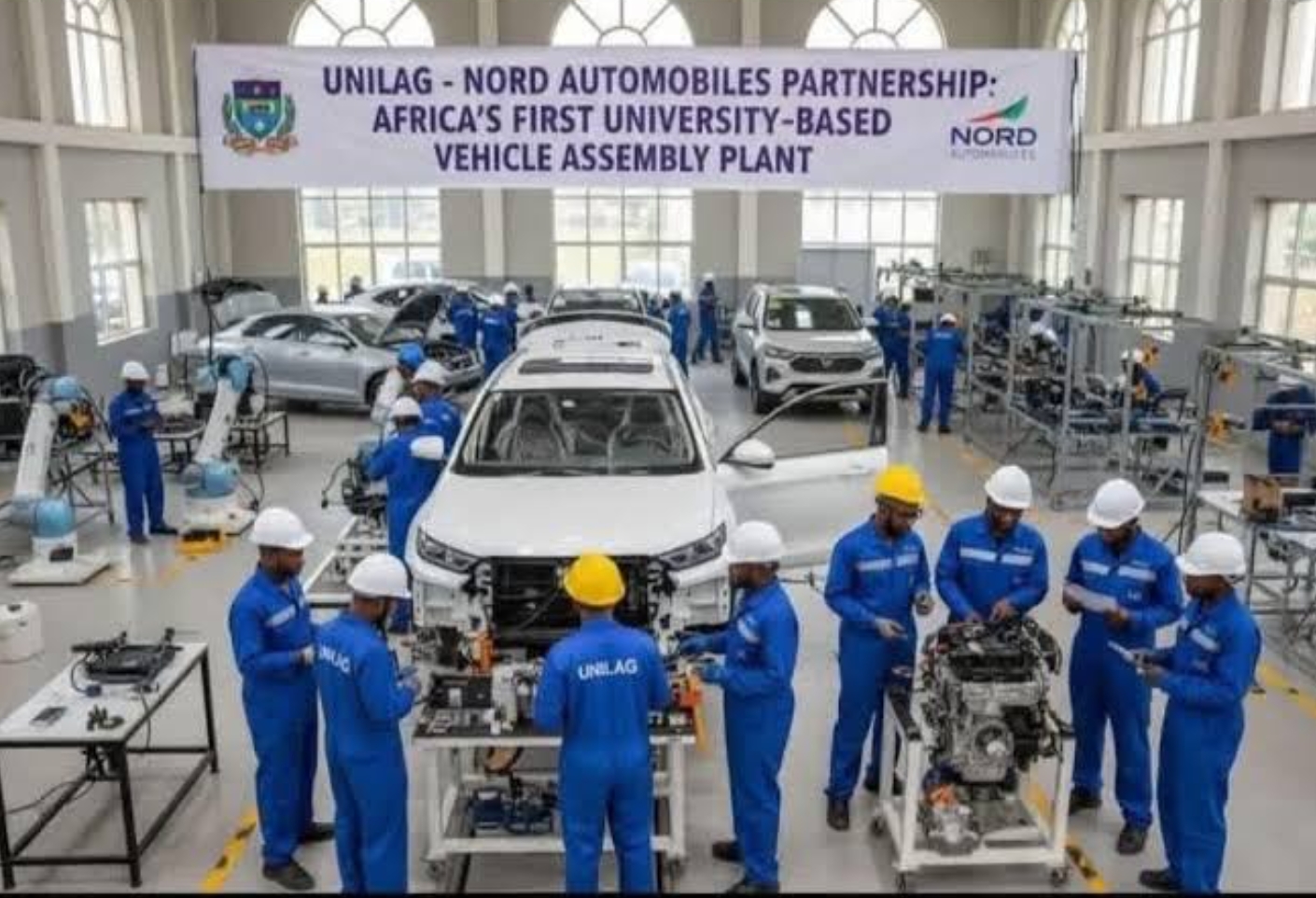
UNILAG-NORD Assembly Plant (file)
By Reporter
ABUJA — The Federal Government has directed all ministries, departments and agencies (MDAs) to procure vehicles exclusively from licensed local automobile assemblers or their authorised retailers under the implementation of President Bola Ahmed Tinubu’s Nigeria First Policy.
The National Automotive Design and Development Council (NADDC) disclosed this on Friday in Abuja, announcing that it had concluded modalities for implementing the policy in collaboration with the Bureau of Public Procurement (BPP).
NADDC Director-General, Joseph Osanipin, said the policy was designed to strengthen domestic automobile manufacturing, conserve foreign exchange, create employment opportunities and reduce Nigeria’s dependence on imported vehicles.
Speaking at a joint press conference with the BPP, Osanipin observed that Nigeria had remained a major consumer of foreign-assembled automotive products for decades, a situation he said had placed pressure on the country’s foreign exchange reserves, exported jobs and constrained the growth of domestic manufacturing.
He said the new directive would fundamentally change the government’s vehicle procurement process by prioritising vehicles assembled within the country.
“We are fundamentally shifting the Nigeria First Policy. All vehicles procured by ministries, departments and agencies, including project utility vehicles, must be sourced exclusively from licensed local assemblers or their authorised retailers,” Osanipin said.
He explained that any MDA seeking to procure a foreign-assembled vehicle would be required to demonstrate explicitly that no suitable domestic alternative was available and obtain direct presidential clearance.
According to him, the government would also introduce a verification mechanism to ensure that all vehicles supplied to public institutions originated from approved local assembly operations.
“Every vehicle supplied to the government must carry a traceable Vehicle Identification Number (VIN) verified through the NADDC,” he said.
Osanipin warned that suppliers who violated the directive would face regulatory sanctions, including blacklisting and the revocation of their licences.
He added that the NADDC was prepared to implement the policy in seamless collaboration with the BPP, while urging local automobile assemblers to prepare to meet the government’s anticipated demand.
The NADDC chief’s announcement signals a policy shift in public-sector vehicle procurement, with local automobile manufacturers expected to play a more prominent role in supplying vehicles to government institutions.
Also speaking, the Director-General of the BPP, Dr Adedokun, said the Nigeria First Policy would promote industrialisation, generate employment and stimulate economic growth.
The policy forms part of the Federal Government’s broader efforts to strengthen domestic production by encouraging public institutions to patronise locally manufactured and assembled products.
Its implementation is expected to increase demand for vehicles assembled in Nigeria, potentially creating opportunities for local manufacturers, component suppliers and other businesses within the automotive value chain.