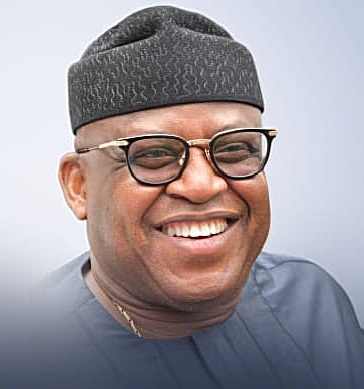

Wike Demands Sanctions Against Amaechi, ADC Presidential Running mate, Says Insulting Voters Must Not Go Unchallenged
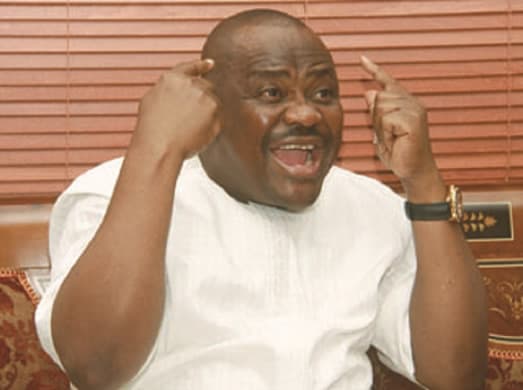
Wike
By Marian Alekhue
ABUJA — Minister of the Federal Capital Territory (FCT), Nyesom Wike, has challenged the Independent National Electoral Commission (INEC) to sanction former Rivers State Governor, Rotimi Amaechi, over his controversial description of Nigerians intending to vote for President Bola Ahmed Tinubu in 2027 as “mad people” and “thieves.”
Wike, who condemned the remarks as irresponsible and potentially inflammatory, said political candidates seeking the nation’s highest offices should not be allowed to insult voters simply because they intend to support a rival candidate.
Amaechi, a chieftain of the African Democratic Congress (ADC) and its vice-presidential candidate, reportedly made the comments on Thursday during the party’s town hall meeting in Benin City, Edo State, where he spoke about the 2027 presidential election.
“It is only a mad man that can vote for Tinubu. If you are not a mad man, then Tinubu should not win here,” Amaechi was quoted as saying.
The former governor’s remarks have attracted attention because of their sweeping characterisation of voters who may choose to support the incumbent president in the forthcoming election.
Reacting on Friday, Wike expressed displeasure that INEC had yet to publicly address the comments, insisting that the electoral umpire should demonstrate its commitment to enforcing the rules governing political campaigns.
“Up till now, I have not heard that INEC has been able to call the attention of Amaechi,” Wike said.
The minister spoke to journalists in Abuja after a meeting with FCT area council chairmen and heads of security agencies.
He described Amaechi’s remarks as particularly troubling because they came from a politician aspiring to national leadership.
“This is supposedly a vice-presidential candidate of a political party seeking to take over power and preside over the affairs of this country,” Wike said.
He added that describing supporters of another presidential candidate as mad people and thieves was unacceptable in a democratic contest.
Wike also warned that Amaechi could face resistance while campaigning in Rivers State if he continued making such remarks.
“If he continues along this line, it will be difficult for him to campaign in Rivers. We will make it difficult for him,” he said.
“You cannot sit down, call voters madmen and thieves, and expect to walk away free.”
The FCT minister argued that the controversy raised fundamental questions about the responsibilities of electoral authorities in maintaining standards of conduct during political campaigns.
He urged INEC to take complaints about inflammatory campaign rhetoric seriously and hold political parties and candidates accountable where their conduct violates applicable electoral rules.
“Many Nigerians have called on INEC to sanction political parties, candidates or some politicians who, in their campaigns, incite the public or raise matters that are not issue-based,” he said.
Wike maintained that campaigns should provide voters with an opportunity to evaluate candidates’ policies, programmes and proposed solutions to the country’s challenges rather than become platforms for personal insults.
“We have been told to go on campaigns based on issues—what are you going to do for the people—not on attacking personalities or insulting individuals,” he added.
He also criticised media organisations for failing to challenge politicians who resort to derogatory language instead of explaining their policy positions.
Amaechi’s comments have brought renewed attention to the boundaries of political rhetoric ahead of the 2027 general elections.
While political candidates are entitled to criticise the policies and performance of opponents, the controversy raises questions about the distinction between robust political criticism and language that disparages citizens for exercising their electoral choices.
Under democratic principles, voters retain the right to support candidates of their choice without being subjected to insults because of their political preferences.
However, whether Amaechi’s remarks warrant formal sanctions is a matter for the relevant authorities to assess under applicable electoral laws and regulations.
As of the time of the NAN report, INEC’s response to Wike’s demand for sanctions had not been reported.
The controversy adds another dimension to the emerging political exchanges ahead of the 2027 presidential election, with the conduct of candidates and the protection of voters’ democratic rights increasingly becoming subjects of public debate.
(NAN)