
Trump Blasts Zelensky, Calls for New Ukrainian President Over Russian Diesel Dispute
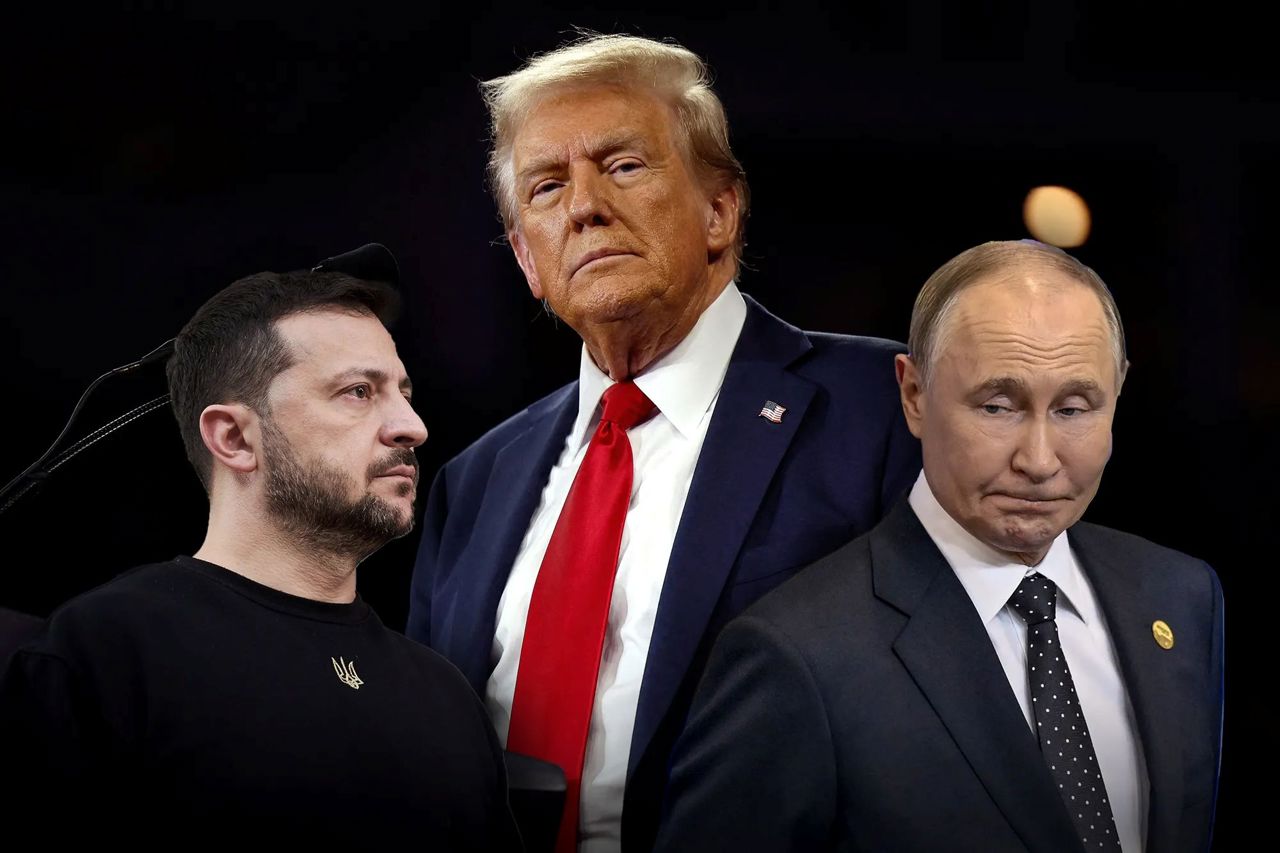
Zelensky-Trump-Putin
By Reporter
WASHINGTON — United States President Donald Trump has launched a fresh attack on Ukrainian President Volodymyr Zelensky, calling for Ukraine to elect a new leader and accusing him of worsening global fuel problems through attacks on Russian oil infrastructure.
Trump made the remarks on Saturday, October 10, 2026, a day after announcing a controversial agreement with Russian President Vladimir Putin to allow Russian diesel fuel exports to the United States and other international markets.
“I suggest they get a new leader who can make a deal because he could have made many deals and for some reason he never does,” Trump told reporters, arguing that Zelensky had repeatedly failed to reach an agreement to end the war with Russia.
The American president also accused Zelensky of ignoring Washington’s concerns about Ukrainian attacks on Russian oil refineries and diesel infrastructure, claiming that the strikes were contributing to global fuel supply problems.
“He better damn well stop,” Trump said, reiterating his demand that Ukraine halt attacks on Russian energy facilities.
The dispute follows Trump’s announcement that Russia would immediately supply more than 300,000 tonnes of diesel fuel to the American and global markets, with additional deliveries expected in subsequent months.
Trump said the arrangement was intended to ease rising fuel prices, which have become a major concern for American consumers and businesses ahead of the November midterm elections.
The agreement marks a significant shift in Washington’s approach to Russian energy exports following sanctions imposed over Moscow’s invasion of Ukraine.
However, energy experts have questioned whether the additional supplies would substantially reduce prices, warning that the impact could be limited by broader global supply constraints and the continuing disruption of energy markets.
Zelensky has strongly criticised the agreement, arguing that allowing Russia to sell more petroleum products would provide Moscow with additional revenue to sustain its war against Ukraine.
Describing the deal as a weak decision by a powerful ally, the Ukrainian president warned that easing sanctions without securing meaningful de-escalation could prolong the conflict.
He also expressed concern that Washington had reached the agreement with Moscow while Ukrainian officials were holding discussions with American representatives about possible ways to end the war.
Zelensky’s criticism reflects Kyiv’s position that Russia’s energy revenues help finance its military operations, while Ukrainian attacks on Russian refineries are intended to weaken Moscow’s capacity to sustain its invasion.
The disagreement has further strained relations between Washington and Kyiv, raising fresh questions about the direction of American support for Ukraine and the prospects for a negotiated settlement.
The controversy has also unfolded against the backdrop of renewed Russian attacks on Ukrainian cities. On Saturday, a Russian strike on Zaporizhzhia killed civilians and injured others, according to Ukrainian authorities, prompting Zelensky to argue that easing pressure on Moscow could encourage further attacks.
Despite the escalating exchange of criticism, diplomatic efforts to find a resolution to the war remain ongoing, although the latest confrontation has exposed significant differences between the Trump administration and the Ukrainian leadership over sanctions, energy supplies and the conditions for peace.