
Fresh Crisis Rocks Delta State Executive Council Over Alleged Assault, Death of NLC Executive
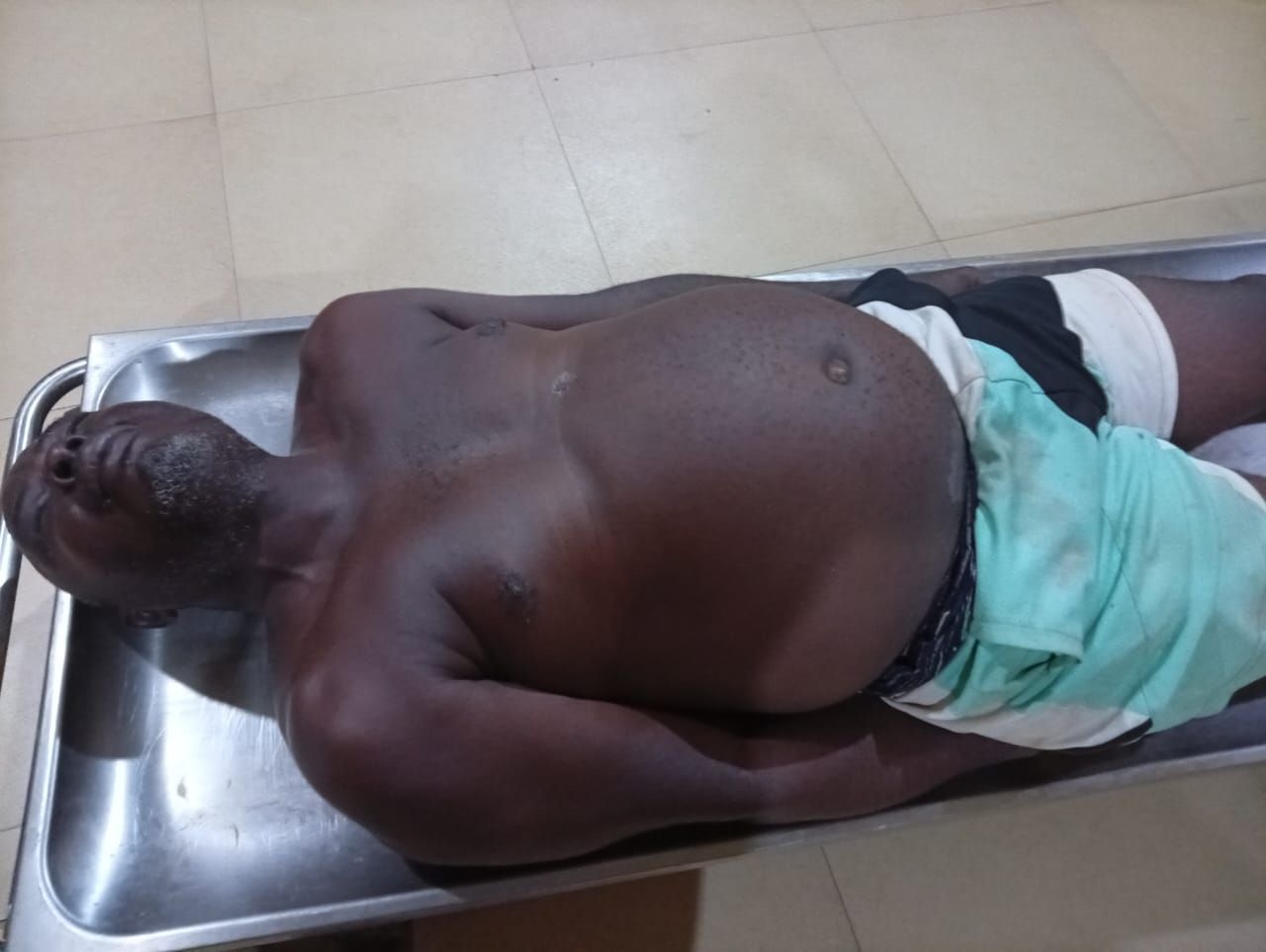
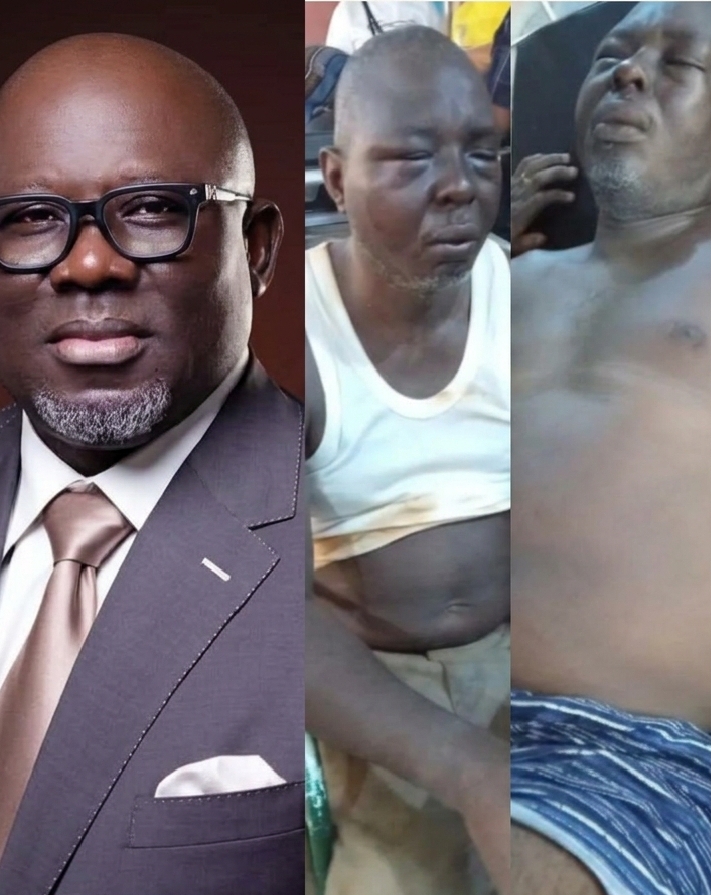
Alleged remains of Adeda
By Correspondent
ASABA — The death of a Deputy Director in the Delta State Ministry of Basic and Secondary Education, Mr Unity Ekpevbughe Adeda, following an alleged assault at the state secretariat in Asaba, has thrown the Delta State Government into a fresh crisis, with the police opening a homicide investigation and the Nigeria Labour Congress declaring an indefinite strike.
The development has also revived questions about the conduct of some members of the Delta State Executive Council following the earlier controversy involving the Commissioner for Works, Hon. Reuben Izeze, and the Governor’s Senior Special Assistant on Protocol, Simon Mudi, popularly known as “Temple.”
In the latest incident, the Delta State Police Command confirmed on Friday that it had arrested one person and launched a manhunt for two others over the circumstances surrounding Adeda’s death.
The police identified the arrested suspect as Lucky Adoh and named the two others being sought as Enos Attah and Oputa Okestine. According to the Police Public Relations Officer, SP Bright Edafe, the three men were alleged to have physically assaulted Adeda during an incident at the office of the Commissioner for Basic and Secondary Education, Dr Kingsley Ashibogwu. The Commissioner of Police, CP Samuel Erale, has directed the Homicide Section of the State Criminal Investigation Department to conduct a thorough and impartial investigation.
The police confirmation has substantially changed the status of the controversy, which initially circulated largely through accounts from workers and other sources within the secretariat.
Adeda was reportedly involved in a confrontation at the Examination and Standards Department before the incident escalated. Accounts from sources familiar with the matter alleged that Ashibogwu arrived at the scene and asked the civil servant whether he knew him, to which Adeda reportedly replied that he did not.
The same sources alleged that the commissioner subsequently ordered his aides to assault the deputy director. Some reports further claimed that Adeda was restrained and beaten before being taken to the Federal Medical Centre, Asaba, where he later died.
Those allegations, however, remain subject to police investigation. Ashibogwu has denied ordering anybody to assault Adeda and denied personally attacking him. According to the commissioner’s account, he was summoned to the ministry after receiving a distress call from the Director of Examinations concerning an alleged disturbance involving Adeda. He said Adeda became violent and attacked him, leaving him with injuries. Ashibogwu urged that the matter be determined through investigation, video evidence and medical records rather than speculation.
The competing accounts have made the alleged existence of video footage potentially significant. Reports have indicated that footage from the Examination and Standards Department may exist and could help investigators establish what happened before, during and after the confrontation. However, the contents and authenticity of any such footage have not been independently established.
The death has provoked an extraordinary reaction among civil servants. Workers shut down the Prof. Chike Edosien Secretariat in Asaba on Friday, demanding an investigation into the circumstances surrounding Adeda’s death. The Delta State NLC subsequently declared an indefinite strike, with Chairman Goodluck Oforbruku saying workers were concerned about the safety of civil servants and demanded accountability over the incident.
But the Adeda tragedy is not the first recent incident in which allegations of physical violence have placed a serving member of the Delta State Executive Council under intense scrutiny.
In July, Commissioner for Works (Highway and Urban Roads), Reuben Izeze, became embroiled in a separate controversy following an alleged assault on Simon Mudi, the Governor’s Senior Special Assistant on Protocol, during a political gathering at the Petroleum Training Institute, Effurun.
The Delta State Government subsequently suspended Izeze indefinitely, explicitly stating that the suspension was intended to enable security agencies to conduct an impartial investigation into the allegations and prevent interference with the process.
The matter went beyond an administrative suspension. A High Court sitting in Effurun subsequently remanded Izeze for 14 days over the alleged assault, while reports indicated that an associate was also remanded. The allegations remain subject to due process and judicial determination.
The proximity of the two incidents has consequently raised broader questions about discipline, restraint, accountability and the exercise of official authority within the Delta State Executive Council.
The issue is particularly sensitive because both cases involve serving political appointees and allegations of physical violence involving people connected to the machinery of government.
The distinction, however, is important: the Izeze-Mudi affair and the Adeda death are separate incidents, involving different circumstances and individuals. The earlier controversy cannot, by itself, establish wrongdoing in the present case.
What it does establish is that the Delta Government has already confronted a situation in which allegations of violence involving a serving commissioner resulted in suspension and judicial proceedings. The emergence of another serious allegation involving a different commissioner therefore places renewed responsibility on the administration to demonstrate that allegations involving its officials are subjected to transparent, impartial and credible investigation.
For the Oborevwori administration, the latest crisis is now also a test of institutional accountability.
The central questions are no longer merely whether a confrontation occurred, but what exactly happened before Adeda was taken away from the scene; who physically restrained or assaulted him, if an assault occurred; whether any official ordered or participated in the alleged assault; what role the commissioner and his aides played; whether security personnel attached to the commissioner were involved; and what medical evidence establishes about the cause and circumstances of Adeda’s death.
The police investigation will have to answer those questions. The identities of the three aides named by the police also make the investigation more concrete. With Lucky Adoh already arrested and Enos Attah and Oputa Okestine being sought, investigators now have an opportunity to reconstruct the incident from eyewitness accounts, video evidence, medical records, forensic evidence and statements from everyone present.
The police have specifically directed the Homicide Section of the State Criminal Investigation Department to handle the investigation, a development that underscores the seriousness with which the command is treating the matter.
For now, no final conclusion can responsibly be drawn about the culpability of Ashibogwu or any other person. The commissioner has denied ordering the assault, while allegations against his aides are being investigated.
But the death of a senior civil servant following an incident inside a government office, coupled with the shutting down of the state secretariat and the declaration of an indefinite labour strike, has transformed what might ordinarily have been an internal administrative dispute into a major governance and public accountability issue.
The immediate demand from workers is justice for Adeda. The larger demand confronting the Delta Government is the assurance that government offices remain places where disputes are resolved through lawful administrative procedures — not through intimidation, physical confrontation or the use of official security personnel.
The outcome of the police investigation, therefore, will be watched closely not only by Adeda’s family and the organised labour movement, but by the entire Delta public and the press.