
Electricity: Nigerians Still Paying the Price of Failed Privatisation, Questions Trail Atiku’s Role
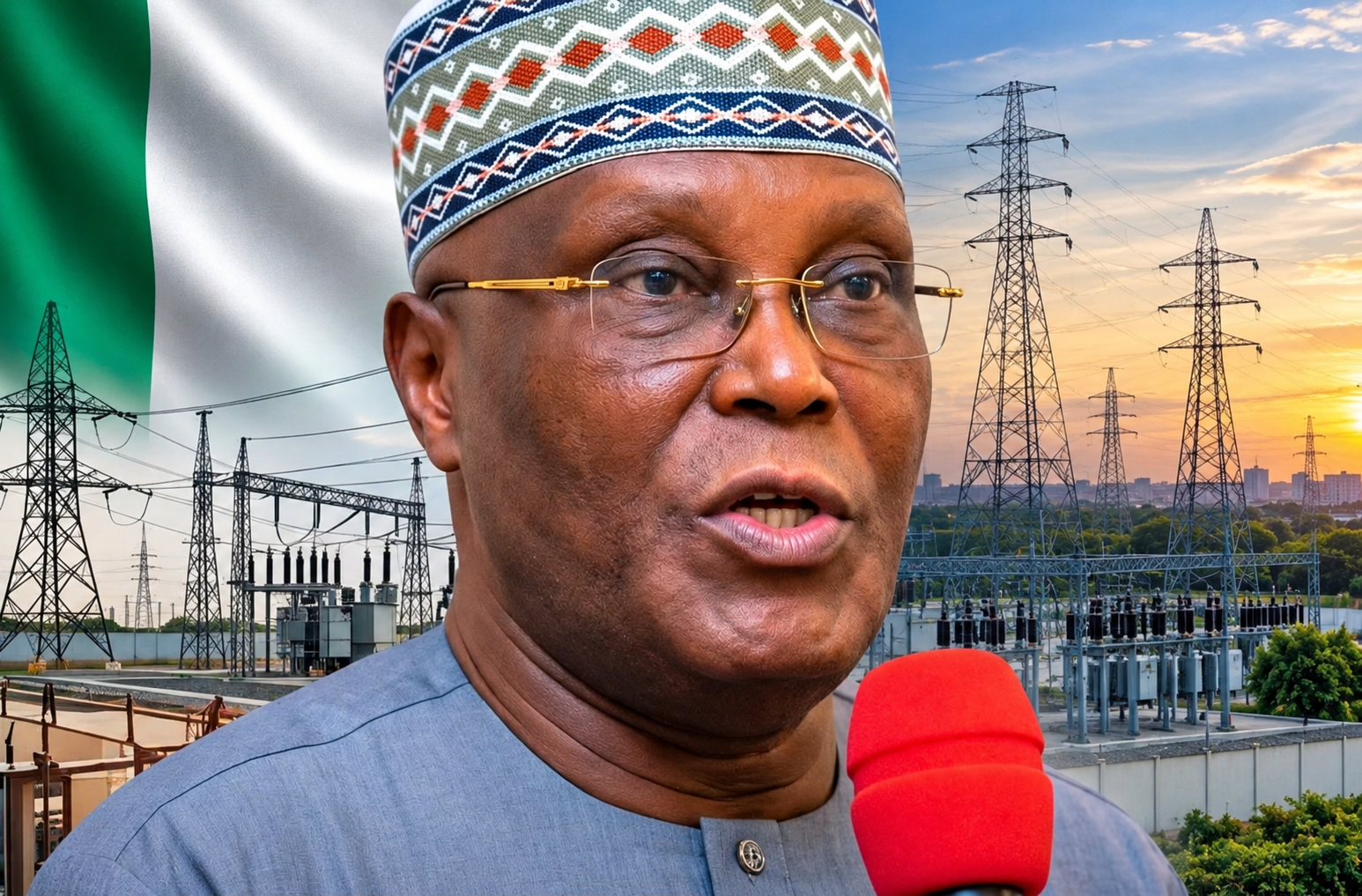
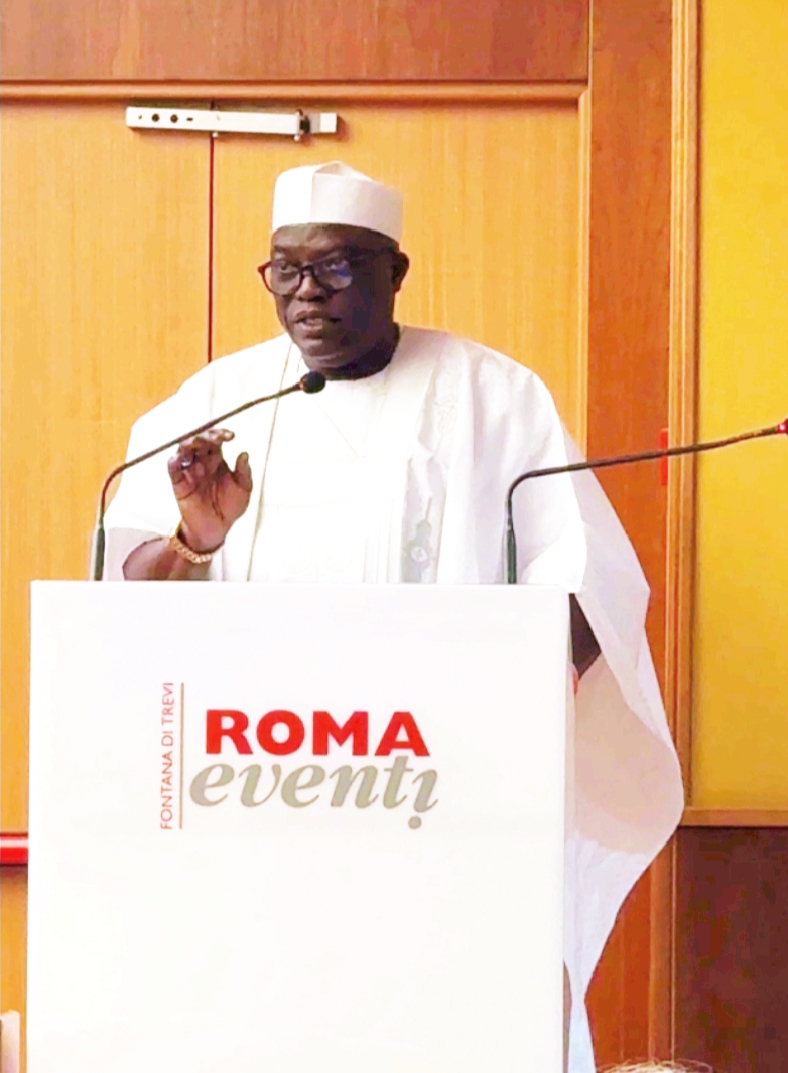
ADC Presidential Candidate, Abubakar
By Prof Ikhinmwin Osagiede
For millions of Nigerians, electricity has become an expensive uncertainty. Households struggle with unreliable supply, businesses spend scarce resources on generators, manufacturers face rising production costs, and students must contend with unpredictable power outages.
More than a decade after the Federal Government transferred electricity generation and distribution companies to private investors, the promise of reliable, efficient and affordable electricity remains largely unfulfilled for many consumers.
The crisis has revived questions about the policies and political leadership behind Nigeria’s privatisation programme, including the role of former Vice President Atiku Abubakar, who chaired the National Council on Privatisation during President Olusegun Obasanjo’s administration.
As a political figure associated with the African Democratic Congress (ADC) and a potential contender for the 2027 presidency, Atiku’s economic reform record deserves public scrutiny.
Nigeria’s electricity privatisation was designed to attract private investment, modernise infrastructure, reduce losses and improve service delivery. The Electric Power Sector Reform Act of 2005 established the legal framework, while generation and distribution companies were handed over to private investors in 2013 under President Goodluck Jonathan. Transmission remained under government ownership.
However, the change in ownership did not resolve the sector’s structural problems. Inadequate investment, weak infrastructure, distribution losses, metering challenges and regulatory shortcomings have continued to undermine electricity supply.
The consequences are felt across the economy. Businesses pay electricity bills while spending additional money on fuel, generator maintenance and alternative power. Manufacturers struggle with production costs, traders lose income during outages, and households sacrifice essential spending to keep their lights on.
The question confronting Nigerians is straightforward: if privatisation was intended to improve electricity supply, why does dependable power remain elusive?
Atiku’s role in the broader privatisation agenda is relevant to this debate. As vice president from 1999 to 2007, he chaired the National Council on Privatisation, while the Bureau of Public Enterprises implemented the programme.
Historical accuracy is nevertheless important. Atiku left office in 2007, six years before the principal handover of electricity generation and distribution companies in 2013. He should not be described as the direct supervisor of those transactions without evidence establishing that responsibility.
His involvement in the broader privatisation programme, however, raises legitimate questions about the policy philosophy he helped advance and the lessons he has drawn from its outcomes. Political responsibility must be distinguished from direct operational control, and allegations of personal wrongdoing must be supported by evidence.
The failure to deliver the expected improvements also demands scrutiny of successive governments, private investors and regulators. Were investors adequately capitalised? Were contractual obligations enforced? Did regulators protect consumers, and were electricity tariffs matched by acceptable service quality?
Performance agreements signed in 2013 established targets for reducing technical, commercial and collection losses. But contractual targets alone cannot guarantee results without effective monitoring and enforcement.
As the 2027 elections approach, presidential aspirants should explain how they intend to address these longstanding weaknesses. Atiku, given his leadership role in the wider privatisation programme, should clarify how his economic reform philosophy would prevent a repeat of the shortcomings experienced in the electricity sector.
What safeguards would ensure that private investors fulfil their obligations? How would regulators be protected from political interference? What penalties should apply when electricity companies fail to deliver? And how can government balance commercially sustainable tariffs with the financial realities of ordinary Nigerians?
These questions concern more than political rivalries. They affect household welfare, business survival, industrial productivity and national economic development.
For Nigerians who pay electricity bills while financing alternative power supplies, accountability is essential. Those seeking public office must explain what went wrong, identify the responsibilities of the institutions they led, and demonstrate how their policies would deliver better results.
Ultimately, the success of electricity reform should not be measured by the transfer of ownership to private investors, but by whether Nigerians receive reliable and affordable power without having to pay repeatedly for the same basic necessity.