
Anxiety Over the 2027 Election in Nigeria: The Anxiety is Real
Groups are already warning that “fear, insecurity and national tragedies” should not be allowed to shape 2026 politics.
My fears include, retribution after the election which has a history in Nigeria. It’s not new to 2027. Let’s break down why it feels stronger this time, and what actually happens to Nigeria after.
Why the fear of post-election retribution is high
1. The winner-takes-all structure: In Nigeria, federal power controls EFCC, security appointments, oil licenses, and massive patronage. Losing often means losing access and being investigated. That is why every cycle produces stories of defections to the ruling party for “protection.”
2. Escalating rhetoric early: Reports already note attacks on opposition gatherings and electoral infrastructure, warning that “when intimidation replaces persuasion, and fear replaces debate, elections cease to be genuine contests”.
3. Memory of past cycles: From 1999 onward, every transition has had some form of post-election settling of scores – probes, frozen accounts, media trials. People who lived through Buhari , the 2015 transition, and 2023 are projecting that forward.
What could happen to Nigeria AFTER 2027? There are 4 plausible pathways
No one can predict a single outcome, but history and current signals point to these:
Pathway A: Continuity with Managed Tension
Whoever wins, tries to stabilize quickly to reassure investors. Selective anti-corruption probes happen, but wholesale retribution is avoided because the economy cannot absorb it. The price of open confrontation is too high with debt service, fuel subsidy removal effects, and insecurity in the North-West and Middle Belt. This is Nigeria’s most common post-election path.
Pathway B: Aggressive Retribution and Realignment
A decisive victory leads to aggressive use of state institutions against key financiers and figures of the losing side. This usually triggers capital flight, court battles that drag for 2-3 years, and a new wave of defections. The country still functions, but governance stalls for 12-18 months while everyone repositions. Businesses close to politics feel it most.
Pathway C: Fragmented Mandate, Forced Inclusion
If the 2027 result is very tight or goes through a long tribunal process, the winner is forced to build a broader government of national unity – similar to what Jonathan and Atiku have both publicly called for: ensuring “Nigerians freely choose their leaders at the ballot box without fear that their mandate will be overturned”. Retribution is limited because legitimacy is fragile.
Pathway D: Institutional Stress Test
This is the scenario people fear most – where disputes spill beyond courts into street-level violence and economic shutdowns. Firms like Proton Security have already warned that election seasons in Nigeria historically trigger “surges in political tension, criminal opportunism, and coordinated disruptions”. If that happens, the post-election period would see heavier security spending, slower reforms, and a more cautious electorate.
In all four, Nigeria as a state continues. The federation is resilient – it has survived far worse electoral crises since 1960. What changes is the pace of economic reform, investor confidence, and how safe opposition politics feels for the next 4 years.
What actually determines which path we take
It is less about who wins, and more about:
1. INEC and the Courts: Early conclusion of Electoral Act amendments and transparent results transmission. As governance groups like Yiaga Africa have stressed, reform must be concluded well before the vote.
2. The Economy: If naira stability and food inflation are better by late 2026, there is less incentive for extreme retribution. If worse, scapegoating increases.
3. Elite Bargain: Nigerian politics still runs on elite consensus. If post-election negotiations include key regional stakeholders, retribution is contained.
4. Coitizen engagement: As International IDEA noted, political elites benefit most when citizens disengage out of fear and distrust.
How people who have seen many cycles navigate this.
I’m 60 years old, I have seen the 1983, 1993, 1999, 2007, 2015 and 2023 cycles. My practical wisdom from the past:
• For personal security: Avoid partisan branding in your business or compound during 2026-2027. Keep your PVC, but don’t keep campaign materials at home.
• For finances: Avoid tying all your income to a single political network. Dollarize some savings if you can, keep business documentation immaculate, and avoid being a guarantor for politically exposed persons.
• For community: This is the time to strengthen non-political networks – professional association, church/mosque, Old Boys, estate association. They are your insulation if retribution politics heats up locally.
• For mental clarity: Limit WhatsApp broadcast and TikTok political hate-mapping. A lot of the fear is deliberately amplified online to suppress turnout.
Nigeria after 2027 will still be Nigeria – large, complicated, and difficult to derail completely.
The government will still need to collect revenue, pay salaries, fight insecurity, and fix power. The cost of retribution is borne by ordinary citizens through slower growth and distraction.
God bless Nigeria.
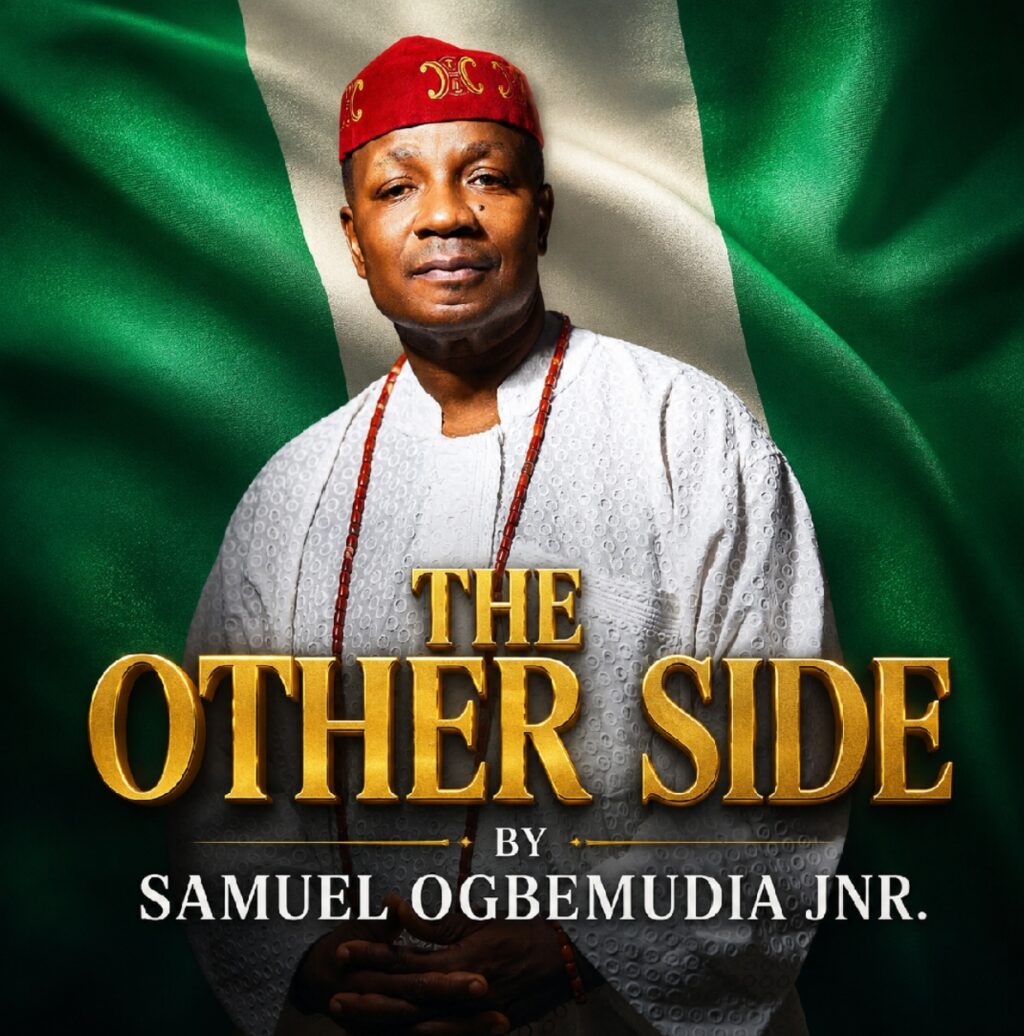
Samuel Ogbemudia Jr.