
Amaechi Picks ADC Presidential Nomination Form, Faces Early 2027 Hurdles
Ameachi
By Reporter
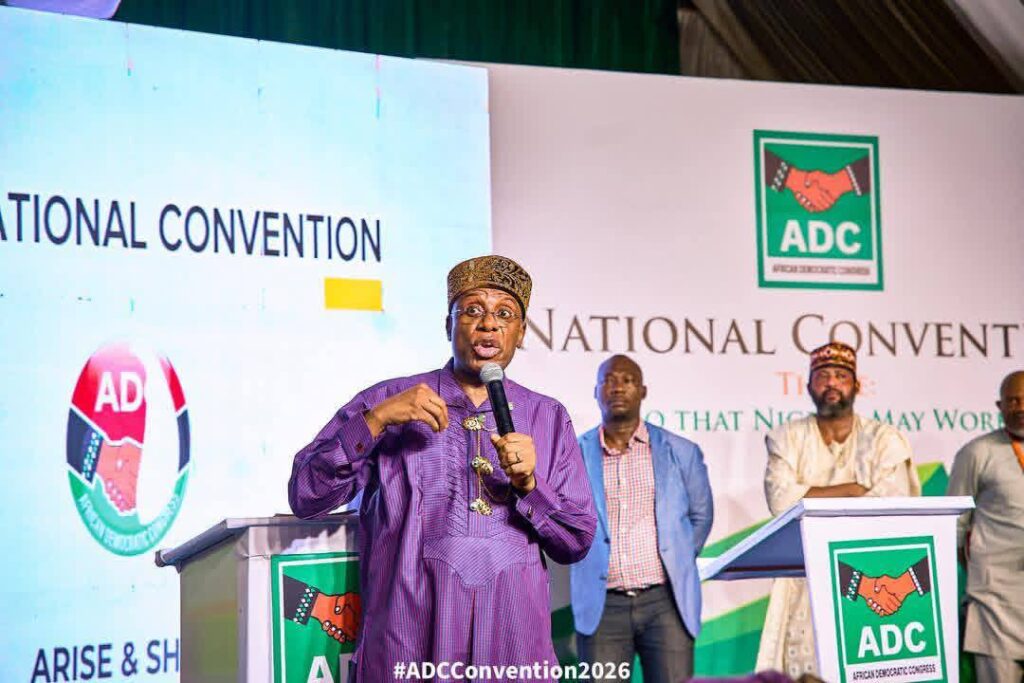
Former Rivers State Governor and ex-Minister of Transportation, Chibuike Rotimi Amaechi, has officially obtained the Presidential Expression of Interest and Nomination Form of the African Democratic Congress at the party’s national headquarters in Abuja.
The move formally signals Amaechi’s entry into the race for Nigeria’s 2027 presidential election under the ADC platform.
Amaechi, a former Speaker of the Rivers State House of Assembly, served two terms as Governor of Rivers State before becoming Minister of Transportation, where he supervised major railway infrastructure projects across the country.
His emergence comes as the ADC begins its nomination process ahead of the 2027 general elections, with the party reportedly fixing the presidential nomination form at ₦100 million.
Supporters, particularly within the South-South region, have described the development as a major boost for opposition politics, while social media reactions continue to trail the announcement, with many supporters calling it “the train leaving the station.”
However, political analysts say Amaechi’s path to the presidency faces significant hurdles despite the growing momentum surrounding his ambition.
One major challenge is the national strength and structure of the ADC, which remains a smaller opposition platform compared to Nigeria’s dominant political parties. Analysts say building a nationwide coalition capable of challenging entrenched political forces will test Amaechi’s political reach and influence.
He is also expected to face stiff competition within the opposition camp, especially from other southern political figures preparing for the 2027 race. Observers believe opposition unity could become a decisive factor ahead of the election.
Amaechi may additionally contend with lingering political divisions in Rivers State and the wider South-South region, where rival blocs continue to struggle for influence. Critics argue that his regional political dominance is no longer as strong as it once was.
Questions surrounding his tenure as Minister of Transportation are also likely to resurface during the campaign, particularly debates over railway financing, Nigeria’s debt profile, and the broader economic impact of infrastructure projects executed during his time in office.
Political observers say Amaechi’s success may ultimately depend on his ability to unify opposition forces, expand beyond his traditional support base, and convince Nigerians that he represents a credible alternative capable of addressing insecurity, economic hardship, and governance challenges ahead of 2027.