
NDC: OK–Obidient Rift Deepens Over Leadership, Grassroots Mobilisation Ahead of 2027
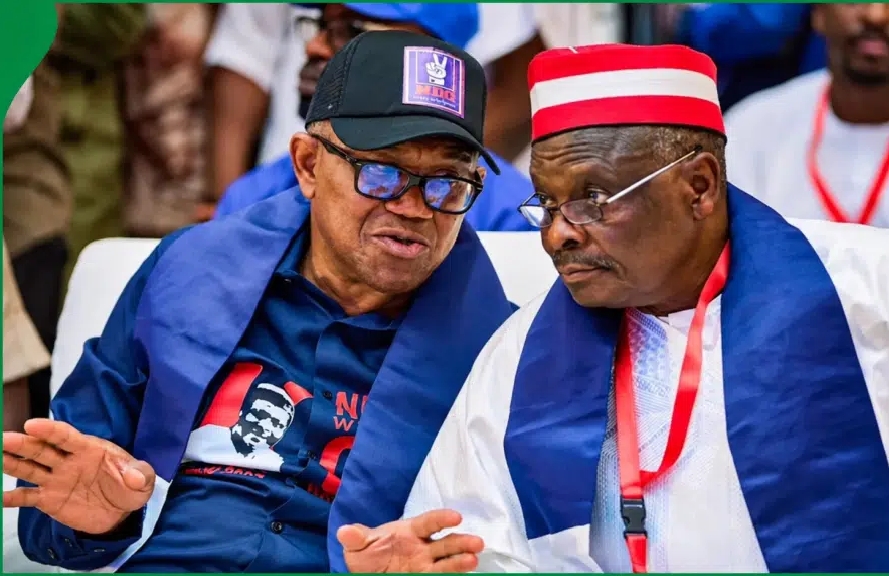
Obi-Kwankwaso
By Reporter
The growing disagreement between the OK Movement and the Obidient Movement over leadership, political affiliations and grassroots mobilisation has taken a fresh turn ahead of the 2027 general elections, with the UK Coordinator of the OK Movement, Mr Adebayo Brown, accusing some leaders of the Obidient Movement and the Nigeria Democratic Congress (NDC) of allowing internal disagreements to overshadow political mobilisation.
Brown, in a strongly worded statement, criticised what he described as persistent political attacks and divisive public statements by some leaders of the two groups, urging them to redirect their energy towards strengthening their structures and preparing for the 2027 electoral contest.
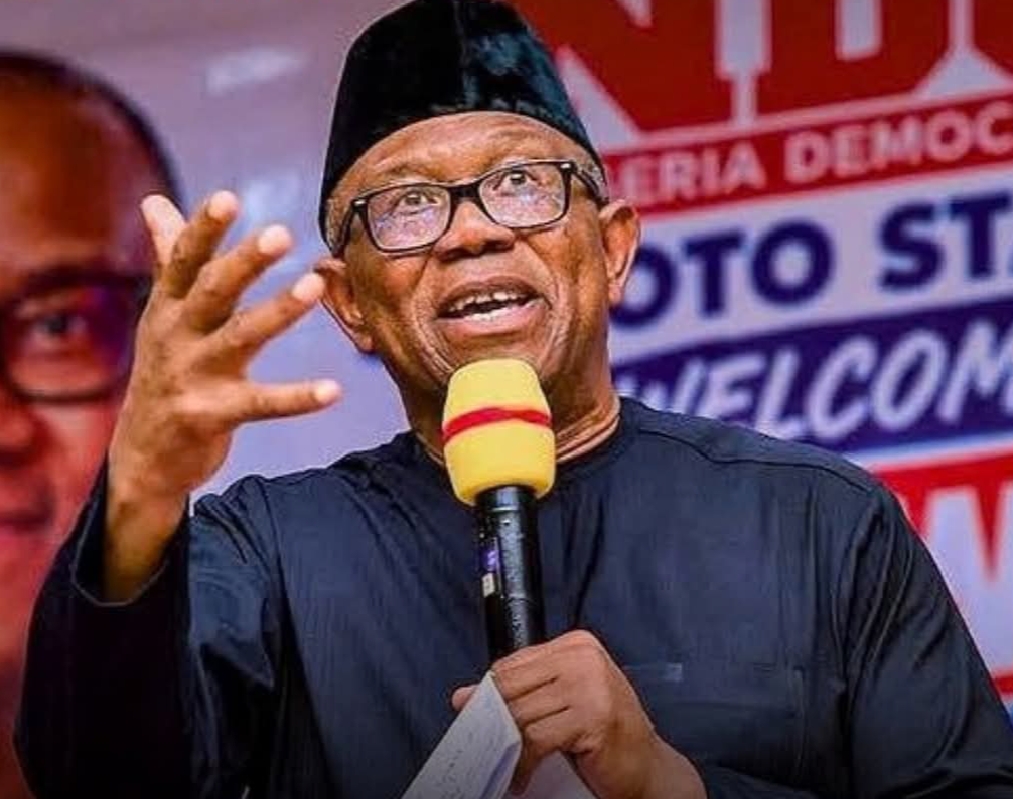
He particularly faulted claims that the NDC presidential candidate, Peter Obi, and his running mate, former Kano State Governor, Senator Rabiu Musa Kwankwaso, had distanced themselves from the OK Movement.
Questioning the priorities of those occupying leadership positions in the Obidient Movement and the NDC, Brown alleged that rather than concentrating on organisational development, strategic planning and grassroots mobilisation, some individuals had become preoccupied with disagreements involving the National Director-General of the OK Movement, Hon. John Ozyl Ughulu.
He argued that the political realities ahead of 2027 demanded serious organisational commitment and effective coordination rather than prolonged exchanges over political affiliations and individual interests.
“Ordinarily, one would expect people entrusted with such responsibilities to demonstrate a sense of urgency, focusing their energy on organising, mobilising, and campaigning for the party’s candidates,” Brown said.
He also questioned the political value of repeatedly publicising claims that Obi and Kwankwaso had dissociated themselves from the OK Movement, insisting that such arguments would contribute little to the electoral fortunes of the organisations involved.
“The question is simple: how does this constant repetition of such claims contribute to the success of the party or the democratic aspirations of Nigerians?” he asked.
Brown further challenged the authority of the Obidient Movement’s coordinator to speak on behalf of Obi and Kwankwaso, maintaining that decisions concerning the political positions of the two leaders should be based on direct and verifiable communication rather than individual interpretations.
“The Coordinator of the Obidient Movement does not automatically speak for HE Peter Obi, nor can he unilaterally determine or represent the interests of HE Peter Obi and HE Senator Rabiu Musa Kwankwaso,” he stated.
Amid the escalating disagreement, the UK coordinator threw his weight behind Ughulu, describing him as a committed and independent-minded leader who had invested considerable personal resources, time and energy in building the OK Movement.
He praised the national director-general’s commitment to the principles of justice, equity and fairness, arguing that his contributions should not be misrepresented as an attempt to pursue personal interests.
Brown described Ughulu as a successful businessman and advocate of workers’ interests, insisting that the OK Movement was founded on collective ideals and a shared political vision rather than the ambitions of any individual.
“We recognise and respect the tenacity, capacity, and integrity of Hon. John Ozyl Ughulu, National Director-General of the OK Movement, who has made significant sacrifices to build the movement into what it is today,” he said.
“Those who appear uncomfortable with his independence must understand that the OK Movement is an organisation built around principles and a collective vision, not the personal ambitions of any individual.”
However, Brown was quick to dismiss suggestions that the disagreements had placed the OK Movement in political opposition to either the Obidient Movement or the NDC.
He maintained that the groups were not enemies and should recognise their shared democratic interests, particularly the need to mobilise Nigerians, build credible political structures and work towards credible elections in 2027.
“For the avoidance of doubt, the OK Movement and the Obidient Movement are not enemies. Neither is the OK Movement in conflict with the NDC. We have a common democratic challenge ahead, and the priority should be mobilising Nigerians, strengthening political structures, and working towards credible elections in 2027,” Brown declared.
He nevertheless challenged the Obidient Movement’s leadership to demonstrate greater organisational capacity by rebuilding its structures, expanding its grassroots presence and translating its political support into measurable mobilisation efforts.
According to him, the task of building a formidable political movement requires discipline, strategic planning and sustained engagement with supporters, not endless public disagreements.
“Rebuilding the Obidient Movement, strengthening its grassroots structures, and mobilising supporters require serious work, strategic planning, and measurable results. That is where his energy should be directed,” he said.
Brown disclosed that the OK Movement had advised Ughulu to remain focused and disregard the controversy, stressing that the organisation would not allow disagreements with individuals to derail its activities or commitment to Nigeria’s democratic development.
“The OK Movement will not be distracted, intimidated, or defined by the opinions of individuals,” he declared.
He called on political leaders, support groups and other stakeholders to move beyond personality clashes and internal disputes, warning that the approaching 2027 elections required purposeful leadership, unity of action and effective grassroots organisation.
“The time for division is over. The time to work is now,” Brown added.