
Tinubu Takes Africa’s Case to UN, Demands Permanent Security Council Seat for Africa
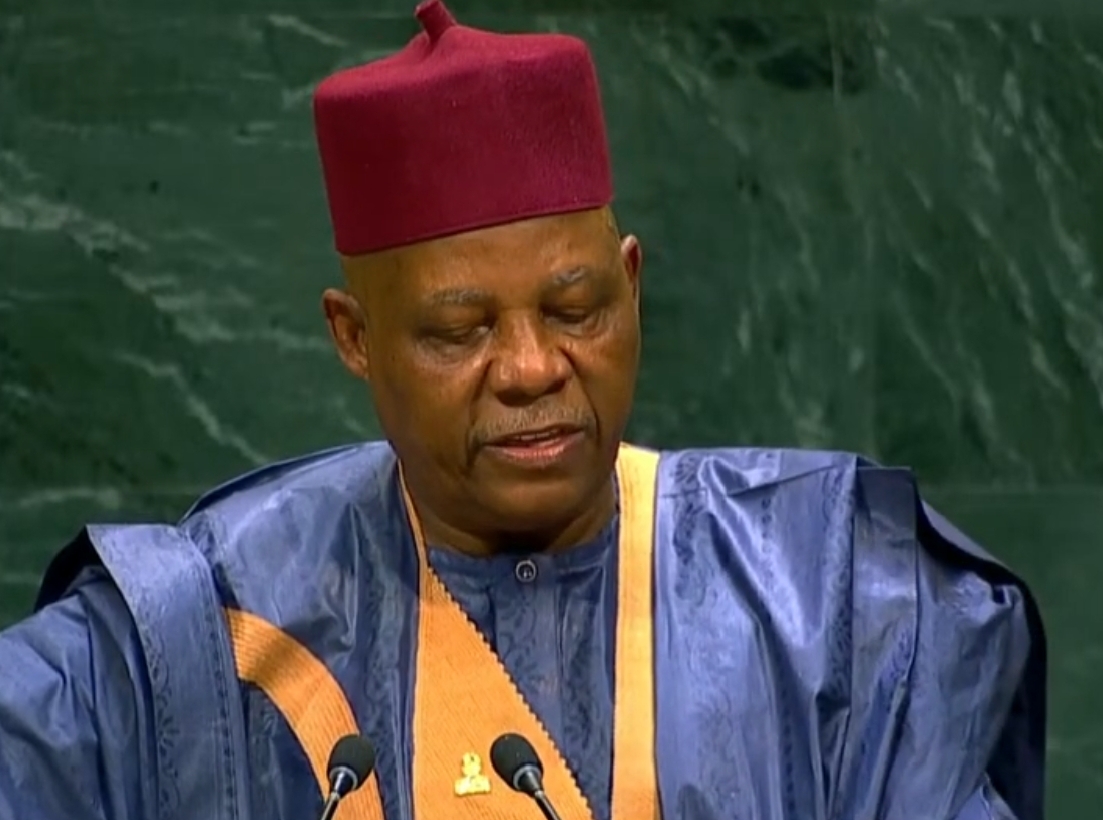
Nigeria VP, Shettima
By Prof Ikhimwin Osagiede
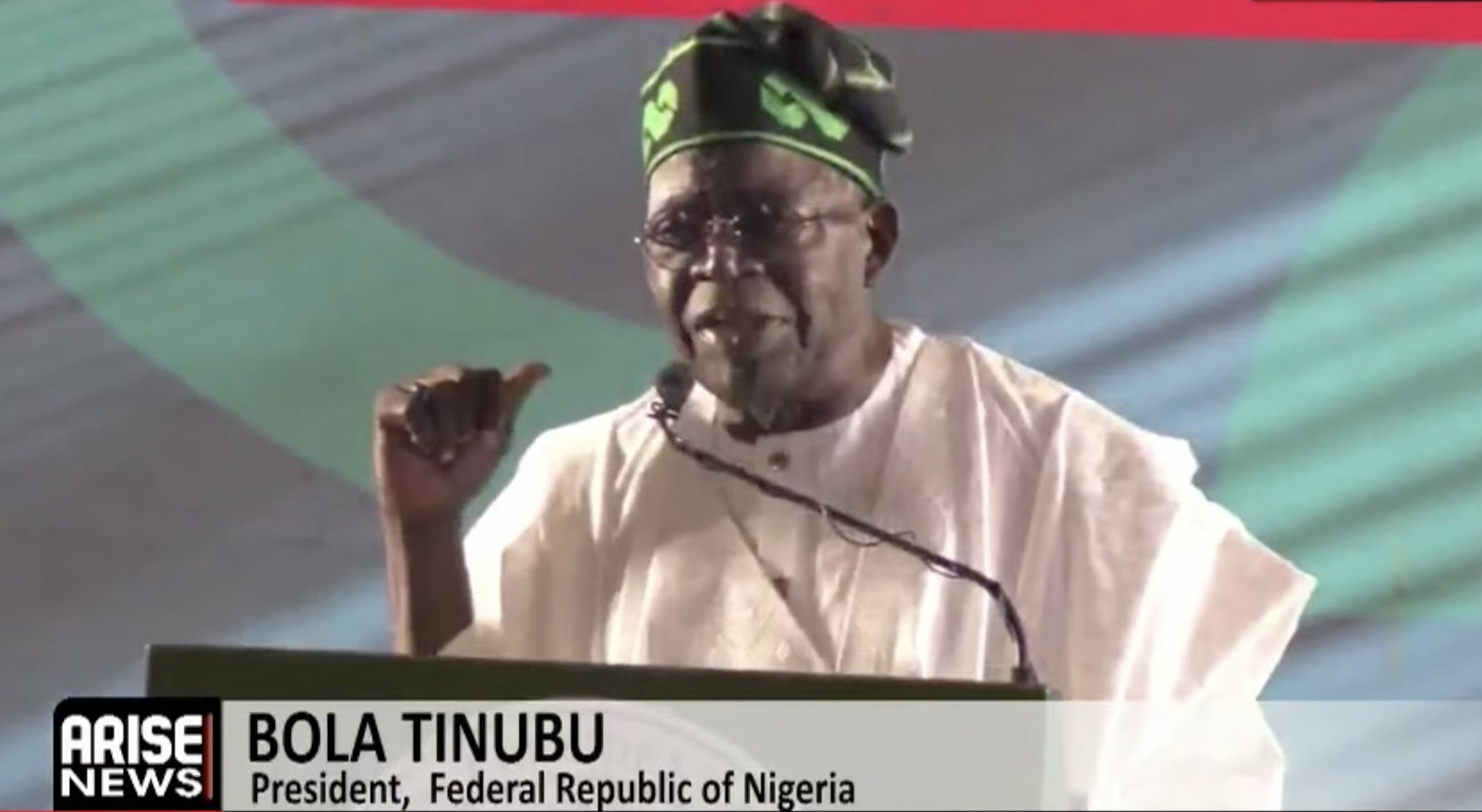
President Bola Ahmed Tinubu has taken Nigeria’s campaign for a fundamental restructuring of the global power system to the United Nations (UN) , demanding a permanent African voice at the highest level of international decision-making.
Vice President Kashim Shettima, speaking on behalf of President Tinubu, delivered the message on Thursday at the 81st Session of the United Nations General Assembly in New York, declaring that the exclusion of Africa from permanent membership of the UN Security Council can no longer be justified by a world order designed in 1945.
Shettima’s address placed Nigeria firmly behind the demand for an immediate reform and democratisation of the Security Council, arguing that a continent of more than 1.4 billion people and 54 countries cannot remain without permanent representation in an institution whose decisions have profound consequences for global peace, security and development.
The intervention was a major element of the Tinubu administration’s diplomatic agenda at UNGA 81, with the President using the occasion to advance Nigeria’s position on reform of international institutions, African representation, global security, climate justice, economic development and a more equitable international order.
The Presidency had stated that Nigeria’s participation in the General Assembly would be guided by national interest, multilateralism and President Tinubu’s advocacy for reforms that would make global institutions more representative and responsive to contemporary realities.
Shettima told world leaders that the architecture of international governance must move beyond the geopolitical realities of the aftermath of the Second World War and respond to the demographic, economic and political realities of the 21st century.
Africa currently has no permanent seat on the 15-member Security Council. The five permanent members — China, France, Russia, the United Kingdom and the United States — possess veto powers, while the remaining 10 members are elected for two-year terms.
The African Union has consistently demanded permanent representation for the continent, including veto rights for as long as the veto remains part of the Council’s structure.
Nigeria has also maintained its claim to a permanent seat, drawing on its population, diplomatic influence, peacekeeping contributions and role in African affairs.
But Shettima’s message went beyond the question of Nigeria alone, placing the country’s diplomatic weight behind the wider African demand for a restructuring of the international system.
The Vice President also confronted the deteriorating security situation across Africa, drawing particular attention to instability in the Sahel and the continuing crisis in Sudan.
He argued that military force alone cannot provide a lasting solution to terrorism and violent extremism, stressing the importance of diplomacy, mediation, international cooperation and respect for human rights and international law.
The security argument formed part of Nigeria’s wider call for stronger international support for African-led mechanisms capable of addressing conflicts before they become prolonged regional crises.
On climate change, Shettima demanded greater fairness in the international response, particularly in access to climate finance and technology.
While reaffirming Nigeria’s commitment to the global energy transition and its long-term climate objectives, he maintained that developing countries must not be denied the opportunity to expand their economies, tackle poverty and industrialise.
For Nigeria, the energy transition must therefore be accompanied by adequate financing, technology transfer and partnerships that recognise the development needs of African countries.
Shettima also placed artificial intelligence and digital technology within Nigeria’s development agenda, arguing that Africa must become an active participant in the emerging technological economy rather than remain merely a consumer of technologies developed elsewhere.
He identified the African Continental Free Trade Area as another strategic instrument for transforming the continent’s economic fortunes through greater intra-African trade, industrial production and value addition.
Away from the UN podium, the Tinubu administration also used the New York engagements to advance its economic diplomacy.
Nigeria and the United States signed an agreement designed to strengthen cooperation in the solid minerals sector, including geological data and exploration, mineral development and processing, infrastructure and technical capacity.
The agreement fits into the President’s drive to diversify Nigeria’s economy and extract greater value from the country’s natural resources by moving beyond the export of raw minerals.
Shettima also participated in the Africa Minerals Strategy Group high-level meeting, where Nigeria pushed for African countries to reduce dependence on the export of unprocessed minerals and develop domestic processing and manufacturing capacity.
The message was clear: Africa’s mineral wealth, in Nigeria’s view, must increasingly become the foundation for African industrialisation rather than simply a source of raw materials for industries outside the continent.
Nigeria also deepened its engagement with Italy around the Global Partnership for Education’s proposed $5 billion global financing framework.
The education initiative aligns with the Tinubu administration’s emphasis on human-capital development and the role of education in preparing Nigerians and other Africans for a technology-driven economy.
For President Tinubu, the UNGA platform has thus become more than an annual diplomatic appearance.
Through Shettima, Nigeria is presenting a broader argument about who gets to shape the rules of the international system, who benefits from global economic partnerships and how Africa responds to the security, climate and technological challenges confronting the world.
At the centre of that argument is the demand that Africa should no longer remain outside the permanent architecture of global decision-making.
And Nigeria, under Tinubu, is again placing itself at the forefront of that African demand.