
Georgia Breaks The Barrier: Keisha Lance Bottoms Makes History as First Black Woman Governor in US
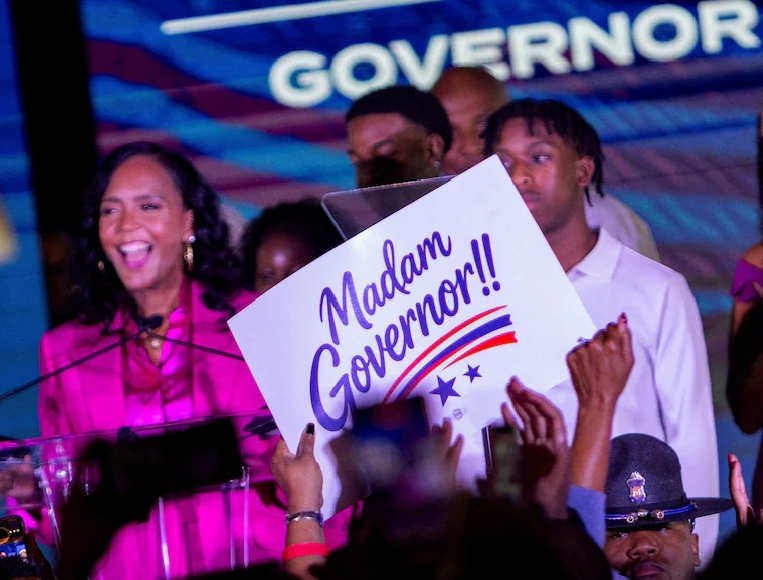
Governor elect Keisha
By Reporter
Democrat’s victory ends 24-year Republican grip on governor’s office; landmark breakthrough signals changing political dynamics in America
ATLANTA, USA — History has been made in the United States as Democrat Keisha Lance Bottoms emerged victorious in Georgia’s gubernatorial election, becoming the first Black woman ever elected governor of an American state.
Bottoms, a former Mayor of Atlanta, defeated Republican businessman Rick Jackson in Tuesday’s election, shattering a political barrier that had stood throughout American history.
Her victory represents more than an electoral triumph. It is a landmark moment in the struggle for racial and gender representation in American politics, particularly in Georgia, a state deeply connected to the history of the civil rights movement and the fight against racial discrimination.
With her emergence, Bottoms becomes Georgia’s first female governor and first Black governor, marking a significant departure from the state’s traditional political establishment.
The victory also ends the Republican Party’s 24-year hold on Georgia’s governorship, a development that underscores the changing political dynamics in one of America’s most closely watched electoral battlegrounds.
The last Democrat elected governor of Georgia was Roy Barnes in 1998, before Republican Sonny Perdue took office in 2003. Since then, Republicans have maintained control of the state’s executive office.
Bottoms’ breakthrough is particularly significant given Georgia’s historical place in America’s racial struggles. The state was at the centre of the civil rights movement, which challenged racial segregation, voter suppression and the systematic exclusion of African Americans from political power.
Her election therefore represents a remarkable chapter in that historical journey, demonstrating the expanding opportunities for women, particularly Black women, to occupy the highest levels of political leadership.
At 56, Bottoms brings considerable political and administrative experience to the office. She served as Mayor of Atlanta from 2018 to 2022, a period marked by the COVID-19 pandemic, nationwide protests following the killing of George Floyd and mounting concerns over public safety.
She subsequently served in the administration of former President Joe Biden as a senior adviser and Director of the White House Office of Public Engagement.
Her political experience and connections within the Democratic Party became important assets during the campaign, as she sought to convince voters that she could address Georgia’s economic and social challenges.
The contest also attracted national attention because of the enormous financial resources deployed by her Republican opponent. Jackson, a healthcare executive and billionaire businessman, reportedly committed more than $200 million of his personal fortune to his campaign.
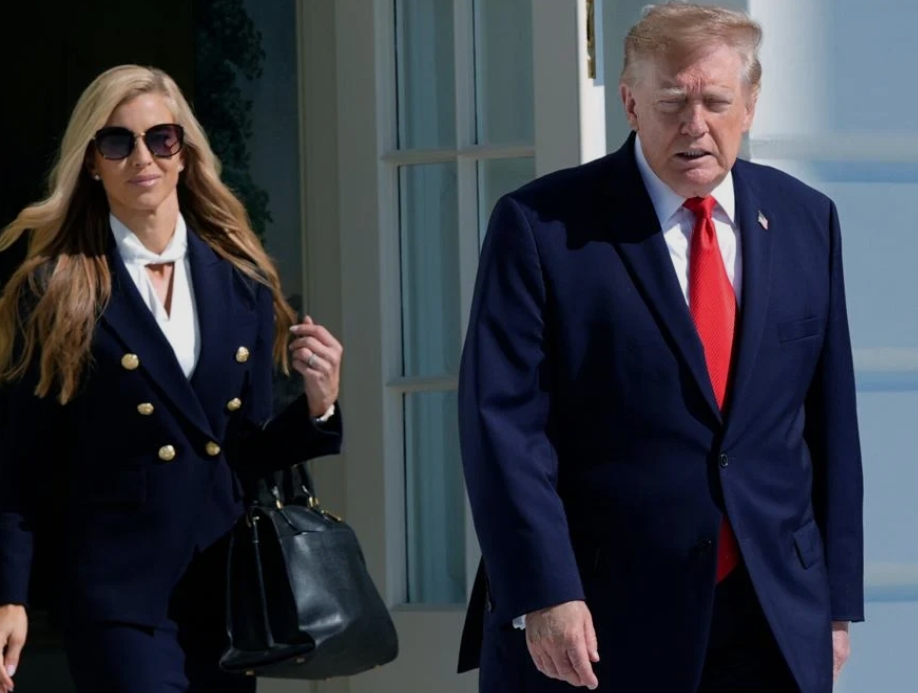
He campaigned on his business experience, tax reductions, public safety and economic development, with the backing of President Donald Trump and outgoing Governor Brian Kemp.
Bottoms, on the other hand, placed affordability, healthcare access, education, housing and economic opportunities at the centre of her campaign.
She advocated Medicaid expansion, measures to improve access to pre-kindergarten education and policies aimed at easing the financial pressure on households. She also promised to review the expansion of data centres and their impact on communities.
Her victory, despite the financial firepower of her opponent, has attracted attention as another demonstration of the increasingly competitive nature of American elections.
The result also carries significance for Georgia Democrats, who have repeatedly struggled to capture the governorship despite growing political influence in the state.
In 2018, Stacey Abrams became the first Black woman nominated for governor by a major political party in Georgia. She lost to Republican Brian Kemp and was defeated again in 2022.
Bottoms’ victory has now taken that historic political aspiration a step further, making her the first Black woman to win a state governorship in the United States.
Her emergence also reinforces Georgia’s position as a major political battleground, where demographic changes, metropolitan growth, voter mobilisation and shifting political loyalties have increasingly challenged traditional Republican dominance.
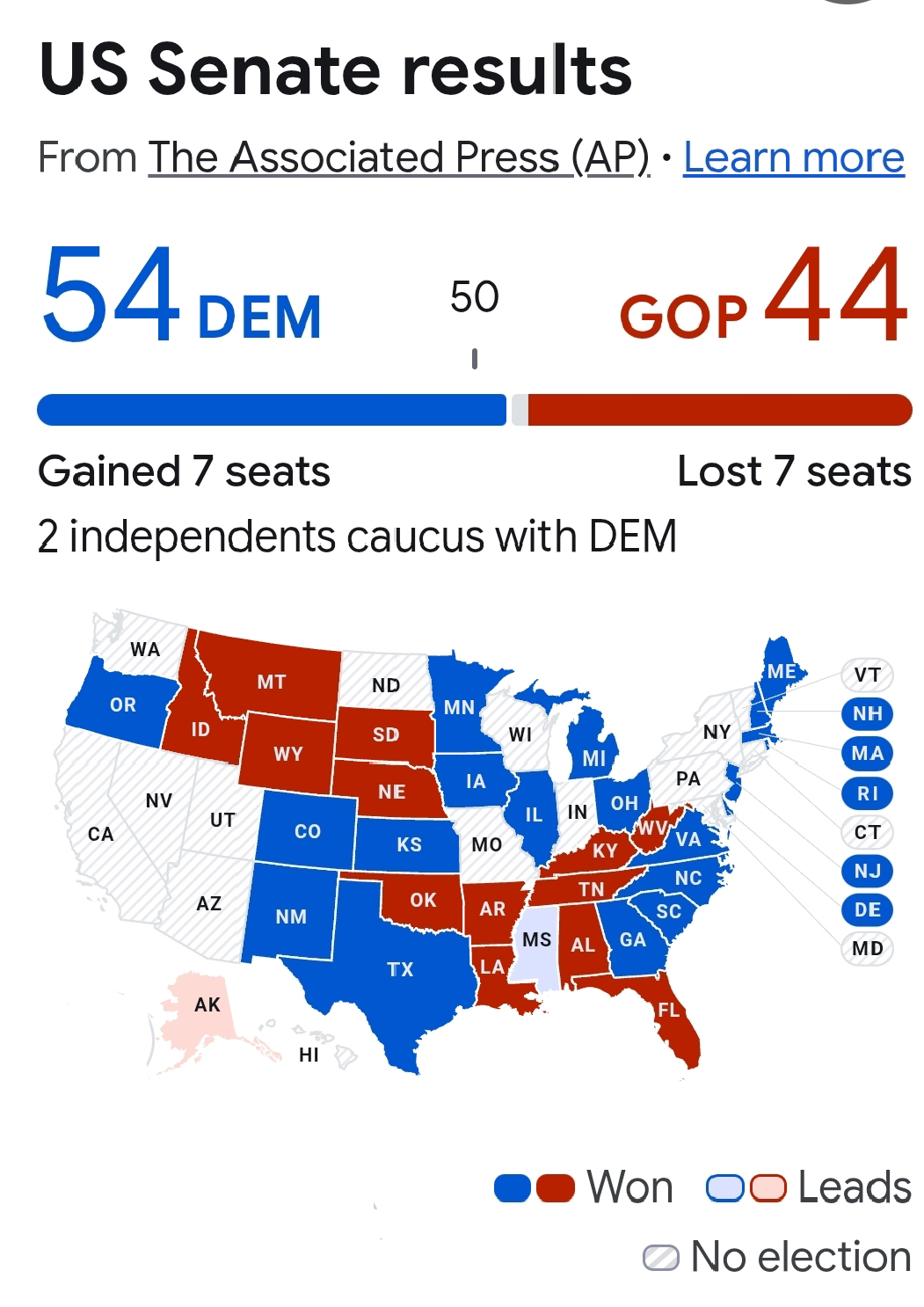
The implications extend beyond Georgia. Democrats are likely to regard the outcome as an important political breakthrough, particularly following Republican gains in the 2024 presidential election.
However, the historic nature of Bottoms’ victory will inevitably be accompanied by enormous expectations. Her administration will face the challenge of translating campaign promises into practical policies, especially in a state where Republicans retain considerable influence in the legislature.
Healthcare reform, the cost of living, education, public safety, housing and economic development are among the issues likely to define her administration.
Bottoms is expected to assume office in January 2027, succeeding Kemp, who is completing his constitutionally permitted two consecutive terms.
For millions of Black women who have confronted generations of exclusion from political leadership, her election represents a powerful milestone and a new reference point in America’s democratic history.
For Georgia, it marks the beginning of a new political chapter. And for the United States, it is another reminder of how the country’s political leadership continues to evolve beyond the racial and gender barriers that once defined access to power.