
U.S. Security Alarm Jolts Nigeria as Visa Shutdown Signals Deeper Crisis Ahead of 2027 Elections
By Staff Writer
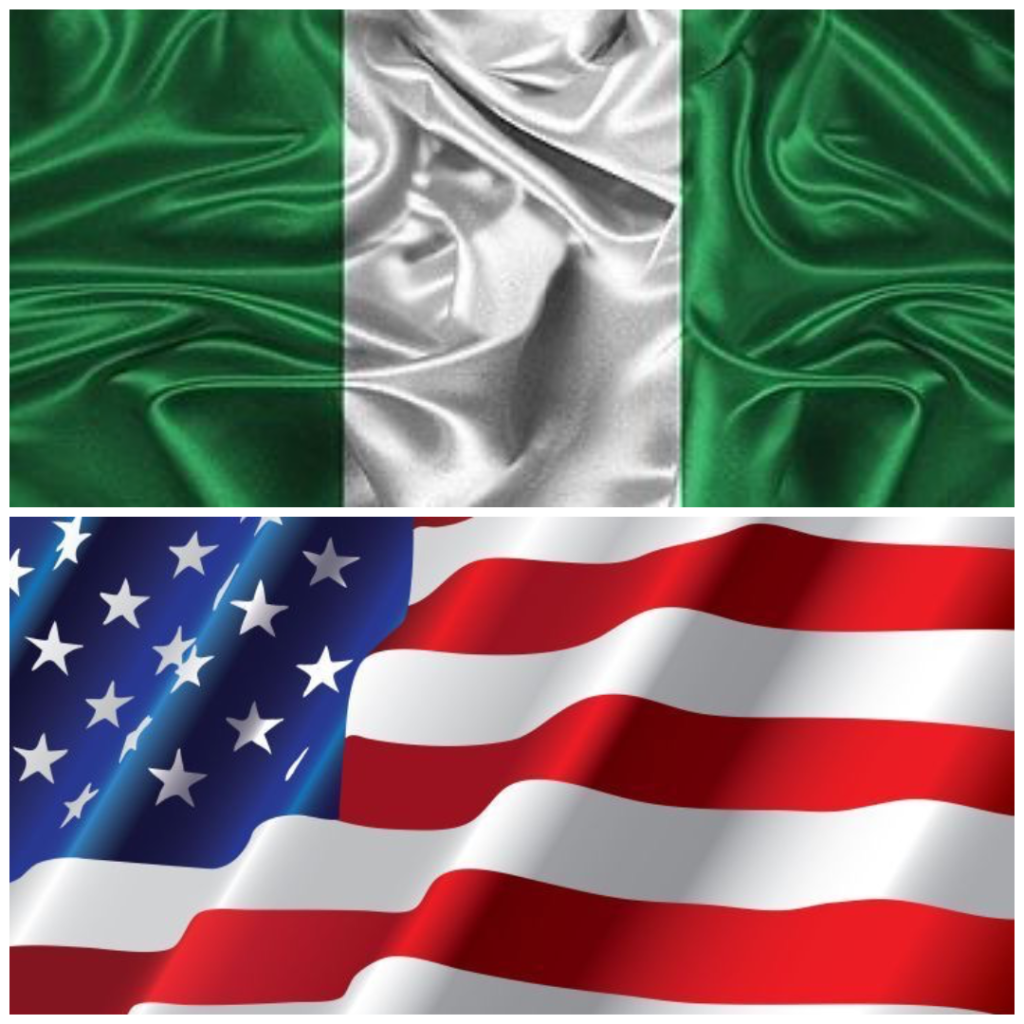
Nigeria’s fragile security landscape has suffered a major international blow after the United States abruptly cancelled all visa appointments at its Embassy in Abuja — a move widely seen as a diplomatic red flag with serious political and economic consequences as the country edges toward the 2027 general elections.
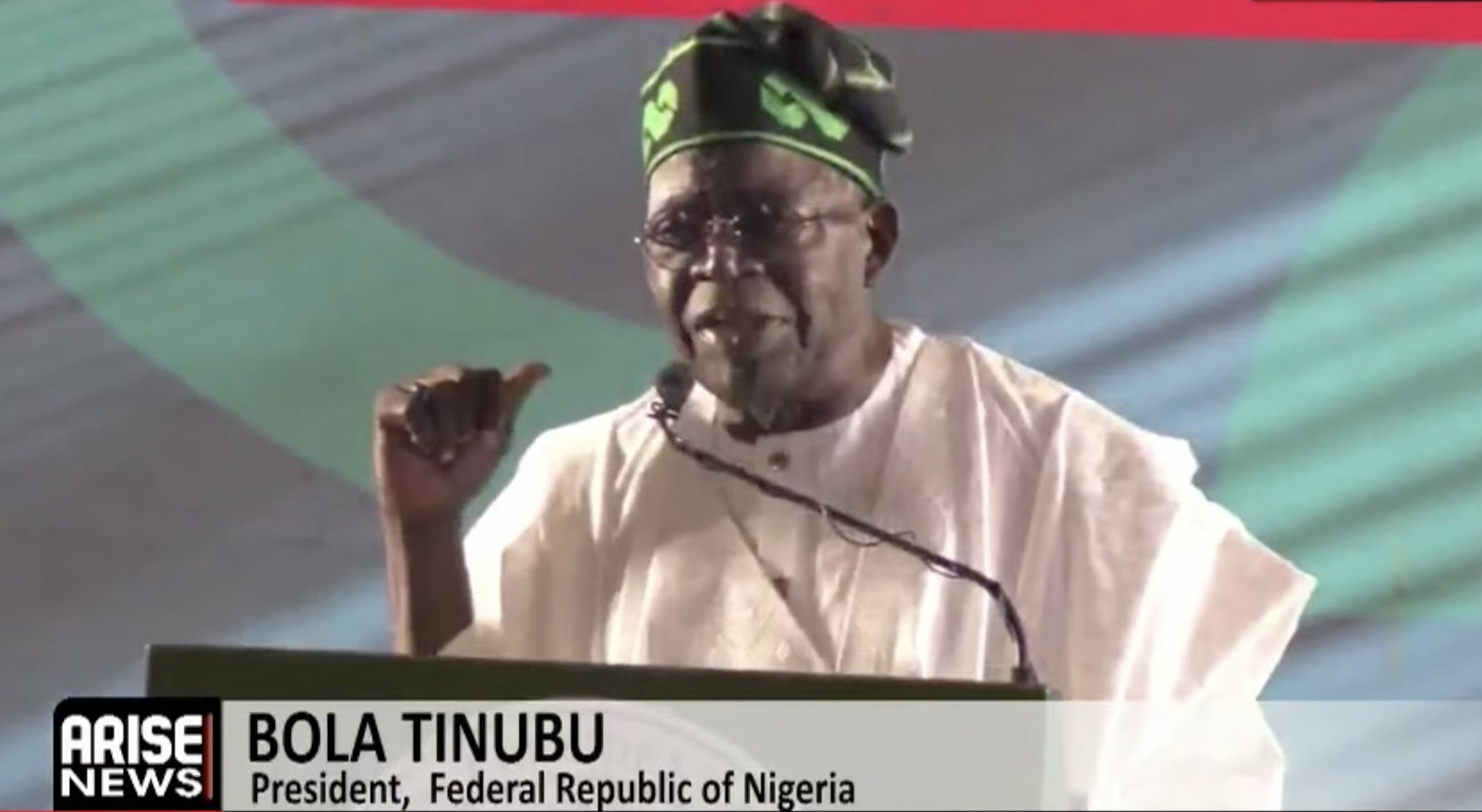
However, tthe Nigerian Government through the Minister of Information Mohammed Idris said the advisory did not reflect conditions across the country and described the US action as a routine internal precaution rather than evidence of nationwide insecurity.
“While we acknowledge isolated security challenges in some areas, there is no general breakdown of law and order, and the vast majority of the country remains stable,” Idris said.
The minister pointed to ongoing military operations and inter-agency security efforts.
In a terse notice on Thursday, the U.S. Embassy instructed visa applicants to check their emails for rescheduling details, effectively shutting down routine consular operations in the nation’s capital. While services remain active at the Lagos consulate, the decision to halt operations in Abuja — the seat of power — sends a far more consequential message than a routine administrative adjustment.
It is, analysts say, a warning shot.
The suspension came within hours of Washington authorising the evacuation of non-essential U.S. government personnel and their families from Abuja, citing a “deteriorating security situation” across Nigeria. The U.S. Department of State simultaneously reinforced its travel advisory, urging Americans to reconsider visiting the country due to escalating threats from terrorism, kidnapping, violent crime, and civil unrest.
At least 23 Nigerian states now fall under the most severe “Do Not Travel” classification — an extraordinary designation that places large parts of Africa’s most populous nation in the same risk category as active conflict zones.
This is more than a security advisory — it is a geopolitical signal with direct implications for Nigeria’s political future.
With less than two years to the 2027 elections, the U.S. action raises uncomfortable questions about the federal government’s ability to guarantee basic security — a cornerstone of electoral credibility. Free and fair elections depend not only on institutions, but on physical safety: for voters, electoral officials, journalists, and observers.
If insecurity continues to spread unchecked, large swathes of the country could become effectively disenfranchised.
The optics are equally damaging. The evacuation of foreign personnel from Abuja — a city designed to represent national stability — undermines confidence in the government’s control over its own capital. It also risks emboldening opposition narratives that the state is losing its grip on security.
Violence is no longer confined to historically volatile regions. Recent weeks have seen deadly attacks spread across the north-central and north-west, with Plateau and Benue states experiencing waves of killings linked to banditry, communal violence, and reprisals.
Meanwhile, insurgent groups in the northeast continue to operate with lethal consistency, targeting civilians and security forces alike.
More troubling is what security experts describe as a “convergence threat” — increasing collaboration between extremist organisations and criminal networks. This evolution is making attacks less predictable, more coordinated, and harder to contain.
The U.S. warning explicitly notes that attacks could occur without warning in everyday locations: markets, schools, transport hubs, and places of worship. In effect, no space is guaranteed safe.
Economic Fallout and Investor Anxiety
The timing could hardly be worse for Nigeria’s economy, because as the government seeks to attract foreign investment and stabilise growth, the U.S. advisory risks reinforcing global perceptions of Nigeria as unsafe. Investors, development partners, and multinational corporations closely monitor such signals — and often act on them.
There are already concerns that the visa shutdown and evacuation order could disrupt business travel, delay international engagements, and trigger internal reviews by foreign companies operating in Nigeria.
For the Nigerian diaspora, the implications are equally significant. Travel warnings of this magnitude often discourage visits, affecting remittances, tourism, and family connections.
Government Silence Raises Questions
Perhaps most striking is the absence of an immediate official response from Nigerian authorities.
In the past, government officials have dismissed foreign advisories as exaggerated or unbalanced. But the scale and timing of this latest U.S. action make it harder to ignore — or explain away.
Silence, in this context, risks being interpreted as either denial or lack of strategy.
2027 in the Shadow of Insecurity.
The U.S. decision to scale back operations in Abuja does not just reflect current risks — it signals declining international confidence in Nigeria’s near-term stability. If conditions do not improve, the consequences could be profound—including reduced international election observation, lower voter turnout in high-risk regions, heightened political tension and contested outcomes and increased pressure on security forces already stretched thin.
For a democracy still consolidating its institutions, these are not abstract risks — they are existential ones.
The message from Washington is unmistakable: the situation is serious, and it is deteriorating.
For Nigeria’s leadership, the challenge is no longer just to manage insecurity, but to convincingly demonstrate control — to citizens, to investors, and to the international community.
With the 2027 elections on the horizon, the stakes could not be higher. Failure to act decisively now may not only deepen the security crisis — it could reshape Nigeria’s political trajectory for years to come.