UBA Was Bankrupt Before Our Turnaround Efforts – Hakeem Bello-Osagie
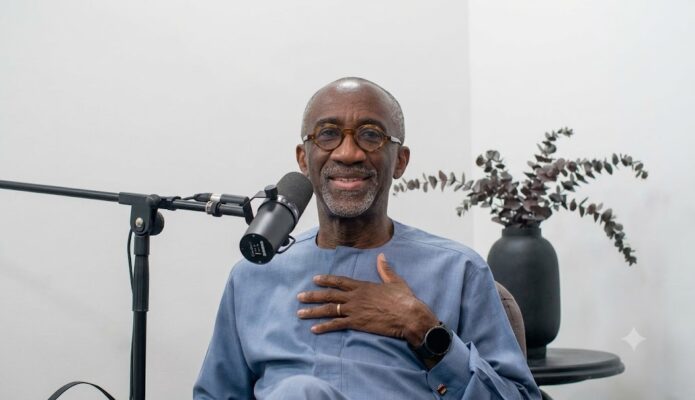
Hakeem Belo-Osagie
By Reporter
Former Chairman of the United Bank for Africa (UBA), Hakeem Bello-Osagie, has revealed that the bank was effectively bankrupt when his investment group acquired a controlling stake, describing the rescue and restructuring process as one of the most challenging undertakings of his career.
According to a report by TVC News, Bello-Osagie recalled that although he was celebrated as a “whiz kid” for becoming a bank owner before the age of 40, the true financial state of UBA only became clear shortly after the takeover.
According to him, an initial review of the bank’s operations exposed deep financial distress and accounting irregularities.
“After the first week or two, I realised that the bank was bankrupt. For years, they had basically been playing games with the accounts. It was in bad shape,” he said.
He disclosed that UBA had recorded substantial losses at its New York office, which were not properly reflected in its consolidated financial statements. At the same time, he said the new management team faced criticism from those who questioned their youth and experience.
“People tried to portray us as young, irresponsible and inexperienced people who didn’t know what we were doing. In reality, the older and more experienced managers had run the institution into the ground,” Bello-Osagie stated.
The former chairman explained that the new owners embarked on an extensive restructuring programme that required difficult decisions but ultimately restored the bank to profitability and stability.
“It was painful and took a long time, but I am immensely proud that we transformed it from a bankrupt institution into one of the most successful banks,” he said.
Bello-Osagie also revealed that he had predicted that Nigeria’s traditional banking giants would lose their dominance unless they embraced far-reaching reforms, noting that banks such as Zenith Bank, Diamond Bank and Guaranty Trust Bank would eventually challenge the established order.
He further disclosed that the turnaround effort attracted intense political scrutiny, with the bank subjected to investigations by numerous agencies.
“There was a lot of political attack against us. We were investigated by 10 or 15 organisations,” he said, adding that major reforms often provoke resistance fuelled by envy and vested interests.
Reflecting on the investment, Bello-Osagie said UBA’s value rose dramatically during his tenure. According to him, the bank was valued at between $10 million and $15 million when his group acquired it, but had appreciated to between $250 million and $300 million by the time they exited, despite the depreciation of the naira.
“All in all, I think we did a good job,” he concluded.