
30 Years After Entering South Africa, HSBC Loses Banking Licence as UK Giant Exits Africa’s Largest Economy
By Reporter
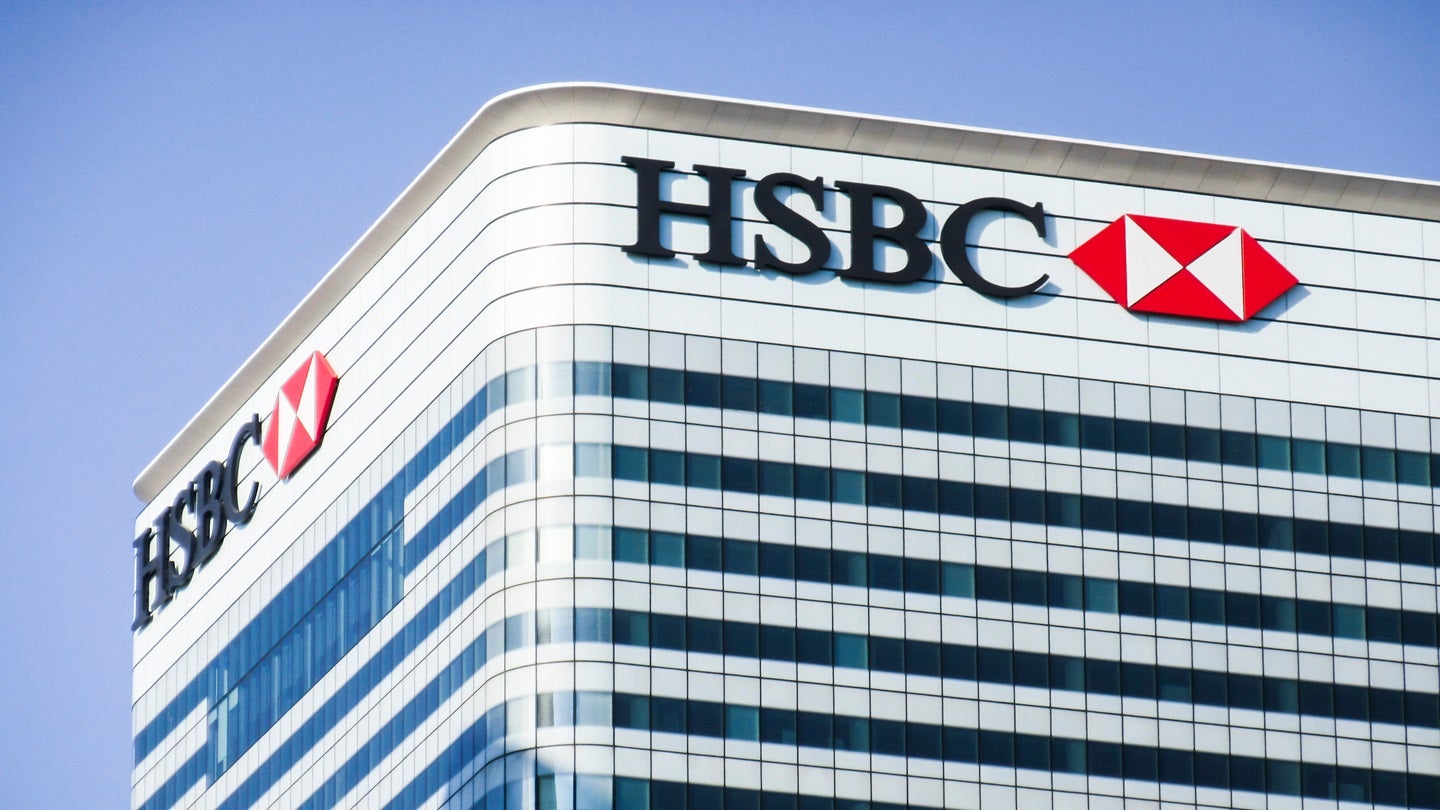
British banking giant HSBC has officially lost its authorisation to operate a branch in South Africa, bringing to a close its three-decade presence in Africa’s largest economy.
The South African Reserve Bank confirmed the withdrawal of HSBC Bank plc’s Johannesburg branch authorisation, effective September 18, 2026, in a notice published in the Government Gazette on October 23.
The regulatory decision marks the final stage of HSBC’s withdrawal from the South African market, a process that began in September 2024 when the bank announced plans to exit the country as part of a broader restructuring of its international operations.
HSBC commenced operations in South Africa in 1995, establishing a presence in the country’s corporate and investment banking sector. Its departure ends 31 years of operations in a market where domestic financial institutions continue to dominate the banking industry.
The exit was implemented through arrangements with local banking groups to ensure continuity for clients affected by the withdrawal.
FirstRand, the parent company of Rand Merchant Bank (RMB), took over HSBC’s local corporate and investment banking clients, alongside associated assets and liabilities. Absa, another major South African financial institution, separately agreed to facilitate continued access to the local market for HSBC’s global equities and securities-financing clients.
The bank also wound down its private banking operations, with the closure of its representative office formalised in 2025. Earlier steps included the cancellation of its foreign-exchange authorised dealer status.
HSBC’s departure reflects a wider strategic shift by the London-headquartered financial group towards markets it considers central to its future growth, particularly in Asia and the Middle East.
The decision also comes amid a broader restructuring of international banking operations across South Africa and other African markets, as global financial institutions reassess their regional priorities and business models.
French banking group BNP Paribas, for instance, closed its corporate and investment banking operations in South Africa in 2024, while other international lenders have reduced or restructured selected businesses across the continent.
Despite the exit of some foreign players, South Africa’s banking sector remains a major financial hub, dominated by domestic groups such as Standard Bank, FirstRand, Absa, Nedbank and Capitec.
For HSBC, the withdrawal of its banking authorisation is primarily the formal regulatory conclusion of a process that has already seen its local operations wound down and clients transferred to other providers.
The development underscores the changing priorities of global banks operating in Africa, where institutions are increasingly reviewing the markets in which they can achieve their long-term strategic and commercial objectives.