
National Safe Motherhood Day: Nigeria Must Act to Save Its Mothers
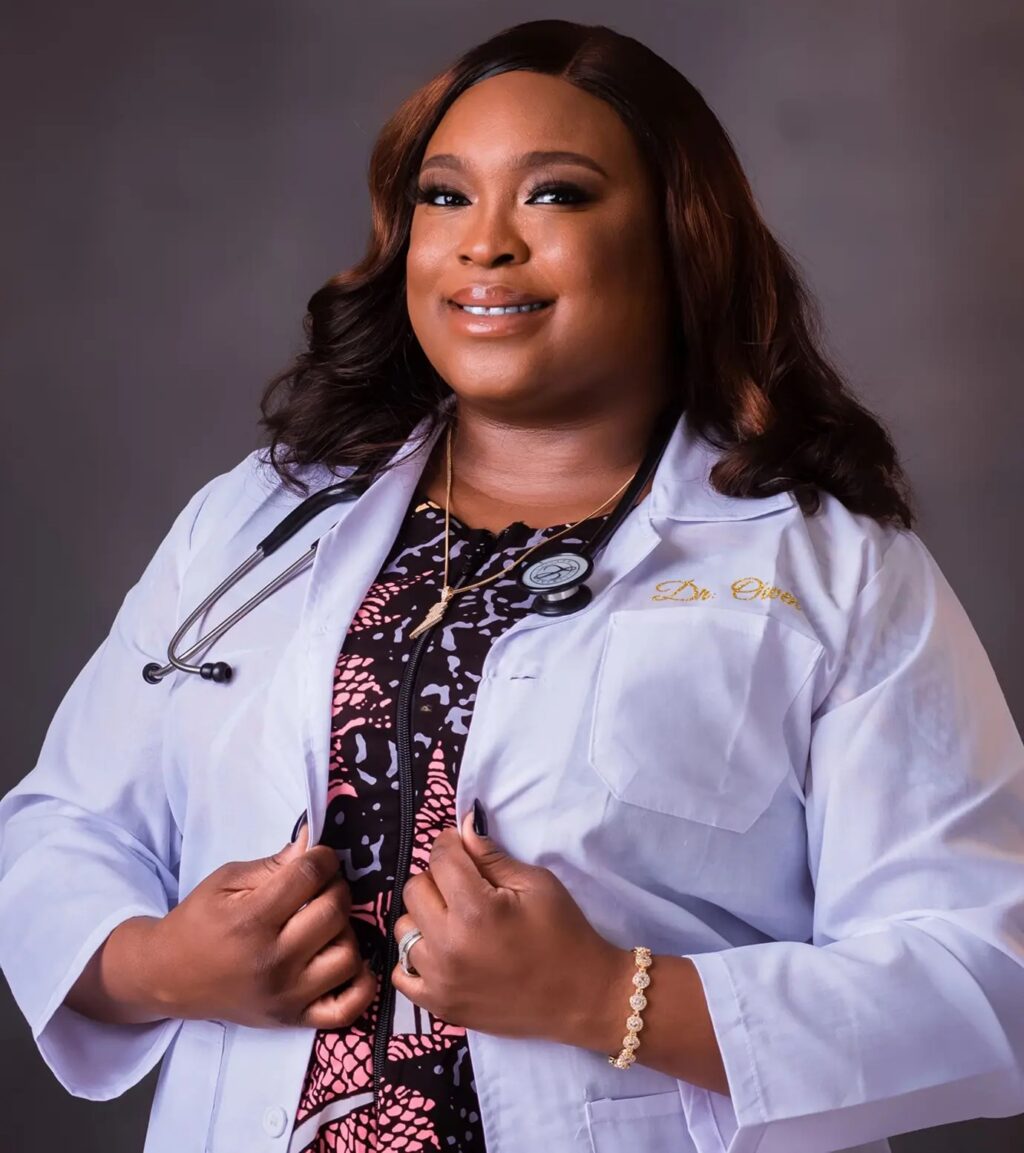
Dr. Owen Omo-Ojo, MBBS, MPH Public Health Physician, Maternal Health Advocate CEO, HIGC Health Consultants
By Dr. Owen Omo-Ojo, MBBS, MPH
Every pregnancy should end with a mother alive, safe, and able to hold her newborn child. In Nigeria, that is still not the reality for far too many women.
As the country marks National Safe Motherhood Day, we must confront a painful truth: preventable
maternal death remains one of Nigeria’s most urgent public health and social justice failures. For too many families, childbirth ends not in joy, but in grief.
A mother is lost, a child is left vulnerable, and a family is permanently changed. Most of these deaths are preventable.
One of the leading causes is postpartum haemorrhage, severe bleeding after childbirth. It is fast, dangerous, and unforgiving when not recognised and treated early.
Yet it is also highly manageable when the right systems, tools, and skilled care are in place. The tragedy is not that we do not know what to do.
The tragedy is that proven solutions are still not being applied consistently where they are needed most.
In many Nigerian health facilities, blood loss during childbirth is still estimated visually rather than measured objectively. That delay in recognition can lead to a delay in treatment, and in maternal care,
delay can be fatal.
This is why practical, evidence-based interventions must move from policy documents into routine care.
One of the most important is the WHO-backed E-MOTIVE protocol, which combines calibrated blood
collection drapes for accurate blood loss measurement with a bundle of rapid-response treatments
once postpartum haemorrhage is identified.
It is a simple but powerful model that can improve early detection, speed up response, and save lives.
Yet despite the Federal Ministry of Health’s updated guidelines on postpartum haemorrhage
management and the adoption of E-MOTIVE, implementation remains far-fetched.
Many government facilities, and indeed most private health facilities, have not integrated these guidelines into everyday practice. This gap between policy and implementation is costing lives.
Still, protocols alone will not solve the crisis.
Nigeria’s maternal mortality burden is sustained by deeper systemic weaknesses: shortages of skilled birth attendants, under-equipped facilities, weak referral systems, inadequate emergency obstetric care, and the financial barriers that prevent women from accessing timely care.
If Nigeria is serious about reversing this trend, maternal health must be treated as a national priority.
Frontline health workers must be trained and equipped. Health facilities must have the commodities
and referral capacity required to manage obstetric emergencies.
Maternal mortality surveillance and response systems must be strengthened so that every death is counted, reviewed, and used to prevent the next one.
Maternal health must remain a clear and consistent national priority at federal, state, and local government levels.
No woman should die while giving life. The knowledge exists. The tools exist. The solutions exist. What
Nigeria needs now is the political will, financing, and implementation discipline to bring those solutions
to scale.
Safe motherhood is not a privilege. It is a right, and Nigeria cannot continue to lose its mothers.
Dr. Owen Omo-Ojo, MBBS, MPH
Public Health Physician, Maternal Health Advocate is the
CEO, HIGC Health Consultants, writes from Lagos, Nigeria.