The Man Who Refused to Bend: Charles Idahosa (OFR) and the Cost of Telling the Truth
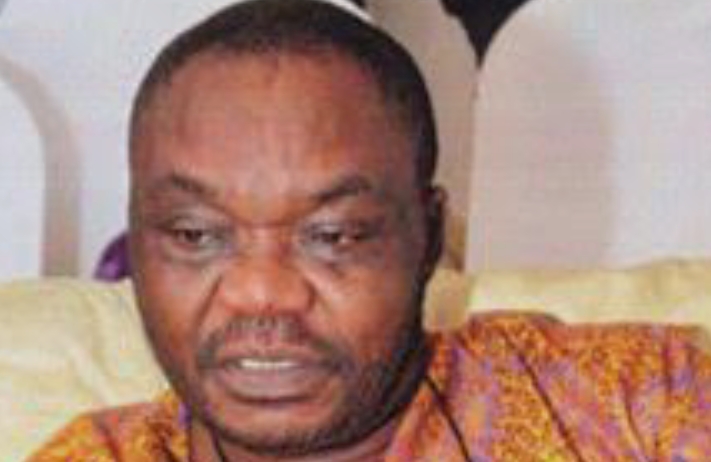
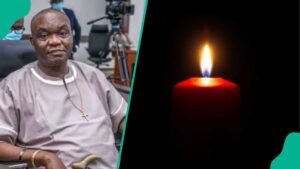
Late Hon. Charles Idahosa
By Comrade Orobosa Omo-Ojo JP
I had a close contact with Honourable Charles Idahosa, Order of the Federal Republic of Nigeria (OFR) 25 years ago, exactly in March 2000, at a defining moment in Edo State’s public life, when Governor Lucky Nosakhare Igbinedion drafted me to help revive The Nigerian Observer newspapers. The titles have been closed down for Nine wasted months by the military administration of late Captain Anthony Ibe Onyearugbulem.
At the time, Idahosa was Director of Press and Protocol to Igbinedion government. A self-belief man with deep-seated trust in his own abilities, carriage, disciplined in thought, and deeply committed to the ideals of public communication as a tool for accountability—not propaganda.
Charles had sent for me and my colleague when he heard we had resumed work to restructure the paper, obviously to intercede for the then Editor—Richard Amayo who for professional reason, was earmarked for replacement. I refused to honour his invitation, a situation that was politically unthinkable then. He quickly realized that our ‘brief’ was to report personally to His Excellency to ensure swift results.
From then on, it was clear that Idahosa was more than a government functionary. He was close to power, but chose his battles, and was a believer in the power of truth.
In an environment where silence had become safer, and conformity rewarded, Charles chose candour. We discovered early on that we shared the same political and ideological instinct: the courage to speak truth to power, regardless of whose ox was gored.
That shared conviction shaped our professional relationship—being a media practitioner as well. He had served the Nigerian Television Authority credibly well earlier.
During tthe administration of Senator Adams Oshiomhole, we both served as Special Adviser, when he was Political Adviser to the governor.
Sometimes, before he will address the press on critical issues concerning the politics of Edo State, we would confer—compare notes, interrogate motives, and test the immediate and far reaching implications. Those conversations were not driven by ego or ambition, but by a shared sense of responsibility to the public and to history.
In one particular occasion, not too long before the administration of His Excellency, Godwin Obaseki ran into political tempest, Governor Obaseki had called me from outside the country to report a budding disagreement with Charles and asked that I intercede.
Like I usually did, I visited my big brother—’Charley Tempo’ almost immediately. On sighting me, he rained abuses on me and Obaseki even before I announced my mission. After delivery my message, he harassed me and gave me a marching order with specific message to His Excellency.
Big bros Charles Idahosa understood that power is transient, but that integrity endures.
He carried his office and politics with quiet firmness—a character has become scares in the political space. As Director of Press and Protocol, he combined loyalty to Governor Igbinedion with principle, ensuring that government messaging did not drift too far from reality.
He believed that credibility was the most valuable currency any administration could have, and he guarded it jealously. A rare quality difficult to find in government spokesperson presently.
Beyond official titles, Charles Idahosa was a man of conviction—one who understood that progress is impossible without honest disagreement, and that democracy withers when truth is sacrificed on the altar of convenience.
His passing is a profound loss, not just to Edo State, but to all who believe that public service should be guided by conscience.
For me, he remains a colleague of rare integrity, a trusted sounding board, and a reminder that even within the corridors of power, it is possible to remain principled.
Honourable Charles Idahosa lived by his beliefs, and in remembering him, we are challenged to do the same.
May his soul rest in peace!!!