
Legal Storm Looms: Questions Raised Over ICPC’s Locus Standi as Kanu Agbabi, 15 Other SANs Set to Defend Ozekhome
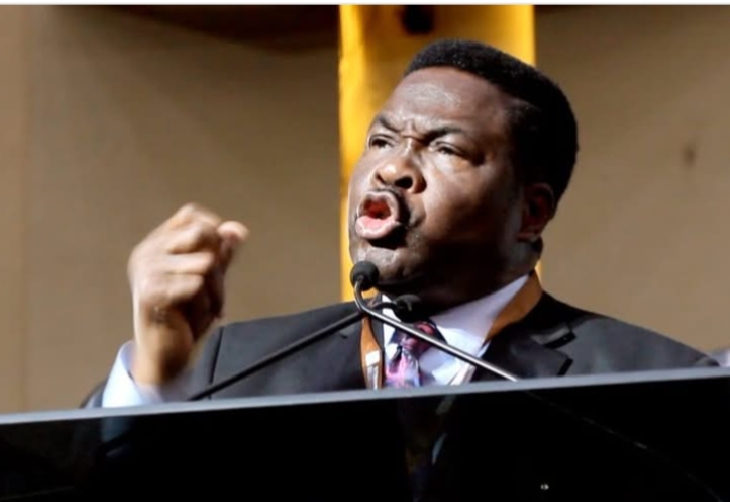
Ozekhome
By Reporter
Beyond the weighty allegations and the high-powered legal teams assembled for the trial of Chief Mike Ozekhome (SAN), a fundamental legal question is already taking centre stage—does the ICPC have the locus standi to prosecute the case?
As the Federal Government prepares to arraign renowned Human Rights and Constitutional lawyer, Chief Mike Ozekhome on Monday, January 26, 2026, before the Federal Capital Territory High Court, Maitama, senior members of the bar are expected to vigorously interrogate the jurisdiction and statutory authority of the Independent Corrupt Practices and Other Related Offences Commission (ICPC) to handle the matter. The ICPC says it’s prosecuting the case on behalf of the Federal Government, accusing Ozekhome of offences linked to an alleged London property fraud, including document forgery, use of false identity, and receipt of a disputed property abroad.
However, legal analysts argue that the alleged acts raise complex jurisdictional issues, particularly because, the disputed property is located in the United Kingdom—key findings relied upon emanated from a United Kingdom tribunal, and the allegations touch on property ownership and identity claims outside Nigeria’s territorial boundaries.
So, at the heart of the looming legal battle is whether the alleged offences fall squarely within the mandate of the ICPC Act, which principally empowers the commission to investigate and prosecute corruption and related offences involving public officers or public institutions.
Critics of the prosecution are asking pointed questions—Is Chief Ozekhome being tried as a public officer within the meaning of the ICPC Act?
Do the allegations, as framed by ICPC, constitute corrupt practices or offences properly within the remit of the agency?
Can the ICPC lawfully prosecute alleged acts substantially rooted in a foreign jurisdiction, without overreaching its statutory powers?
These questions are expected to form the backbone of preliminary objections by Ozekhome’s defence team, led by Chief Kanu Agabi (SAN) and 15 other Senior Advocates of Nigeria, as well as established junior lawyers who are widely anticipated to challenge the competence of the charges and the authority of the prosecuting agency before delving into the substance of the case.
While the Federal Government agency insists that its investigations revealed falsified documents and fictitious identities linked to the property transaction, the defence is likely to argue that even the most serious allegation must fail if the prosecuting body lacks the legal standing to bring the action.
As the trial opens, attention may quickly shift from the merits of the alleged London property fraud to a threshold issue that could determine the fate of the case—does the ICPC have the locus to try Chief Mike Ozekhome at all?
The answer to that question may well define not just this case, but future prosecutions involving lawyers and cross-border transactions.
The ICPC has listed the Federal Government as the complainant and proceedings are scheduled to commence by 9:00am.
Chief Ozekhome is expected to appear in court as the trial opens, with the ICPC set to present its witnesses and documentary evidence, but first, ICPC legal team must scale the locus standi hurdle.
The high-profile arraignment comes amid renewed concerns raised by the Attorney General of the Federation over complaints and alleged professional misconduct involving members of the Nigerian legal profession, a development that has sparked debate within legal and public circles.