Iran Protests Escalate, Spread to 222 Locations Amidst Death Toll Rise

Posters in Tehran
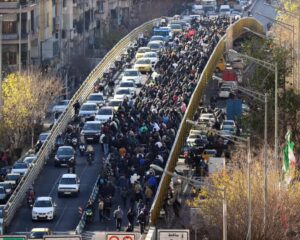
Protests are ongoing across Iran for the eighth consecutive day, with demonstrations, strikes, and student unrest reported at 222 locations across 78 cities in 26 provinces, a US-based human rights group reported, as the overall death toll rose to 20.
Thr latest development comes despite intensified security measures, increased deployment of police and security forces, and continued confrontations in several areas, the geographic spread of protests has remained intact, the Human Rights Activists News Agency (HRANA) said.
Over the past eight days, at least 19 civilians and one member of security forces have been killed, based on the data verified by HRANA.
At least 51 people were also injured, most caused by pellet and rubber bullets.
Protests initially began with labor strikes and professional gatherings and have continued with broader street demonstrations, limited trade stoppages, and student protests openly calling for regime change.
HRANA said 17 universities have seen student activism during the unrest.
In the past 24 hours alone, unrest was reported in more than 20 cities, including Tehran, Mashhad, Shiraz, Karaj, Qazvin, Yazd, Bandar Abbas, Tabriz, Kermanshah, Khorramabad, Shahrud, Dorud, Gachsaran, Yasuj, Bushehr, Lahijan, Nishapur, Mahallat, Rudbar, Borujerd, and Marvdasht, alongside heightened security deployments in several areas.
The protests have not been confined to major urban centers, with smaller cities and regional towns also affected—an indication of the horizontal spread of unrest across different social and geographic layers.
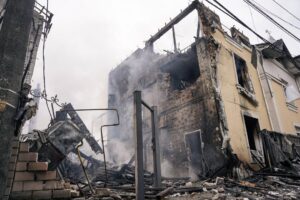
Reports and verified videos from multiple cities showed continued use of force by security services, including tear gas, live fire, pellet guns, and mass arrests.
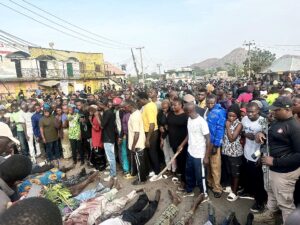
The deadliest crackdown took place in the city of Malekshahi in Ilam province, western Iran, on Saturday where security forces opened fire on protesters, killing at least five and injuring 30 others, according to information obtained by Iran International.
The protests continued across Tehran and other parts of the country on Sunday, with security forces deployed in large numbers around the capital’s main bazaar and major shopping centers as demonstrations.
Many shops in the bazaar in Tehran remained closed, while plainclothes security agents were reported in nearby streets, according to videos and information received by Iran International.
Overnight protests were reported in dozens of cities, with demonstrations continuing in Tehran neighborhoods including Narmak, Naziabad, and Hafez Street, as well as in provincial cities such as Sangsar in Semnan province, Nurabad-e Mamasani in Fars province, Sari in Mazandaran province, and Malekshahi in Ilam province.
Labour, retiree, civil, and teachers’ organizations inside Iran also issued statements backing the protests, citing inflation, unemployment, and economic pressure.
Internet access has either been reduced or effectively cut off in several parts of the country on Sunday—particularly in areas where protests were more intense.
Residents in cities including Asadabad in western Iran, Kermanshah, Dezful, Malekshahi, Malard, Marvdasht, Kuhdasht, Borazjan, Mashhad, Shiraz, and parts of Tehran reported severe disruptions, with some saying it took hours to send a single text message.
Opposition figures has seized the occasion to pay tribute to slain protestor, just as Iran International has verified the identities 16 protestors who have been killed during the protests.
Some sources have reported a higher number of fatalities. US-based human rights group, Human Rights Activists News Agency (HRANA), reported the deaths of at least 19 protestors on Sunday.
Iran International’s investigations to verify reports regarding the identities and final number of those killed in cities including Azna, Marvdasht, Malekshahi, Hefshjan, and Farsan are still ongoing.
Iran’s exiled Prince Reza Pahlavi paid tribute to the slain protesters, saying in a post on X that he honoured their memory and vowed to hold those responsible to account.
“I honor and keep alive the memory and names of our compatriots who were killed in Iran’s national uprising,” Pahlavi said in a post on X.
Addressing the families of slain protestors, Pahlavi said: “On this irreversible path, I stand shoulder to shoulder with you.
“I assure you that those who ordered and carried out these crimes will be identified and, without doubt, punished,” he added.
Addressing Iran’s Supreme Leader Ali Khamenei, he said: “By spilling the blood of the purest children of this land, you and your network have brought your own downfall closer. We will not back down and will continue until the complete destruction of your anti-Iranian regime.”
Komala Party Leader Abdullah Mohtadi on Sunday offered condolences to the families of slain protesters, and condemned what he described as a “major crime” by the Iran’s Revolutionary Guards in Malekshahi, Ilam province.
“The great force of the popular movement will ultimately sweep away the apparatus of oppression and crime,” he added in a post on X.