
Deadly Floods Ravage Kenya as Thousands Displaced
Nairobi River
By Staff Reporter
Nairobi, Kenya — Widespread flooding across Kenya has left a trail of destruction, displacing tens of thousands of people and raising urgent humanitarian concerns as authorities scramble to respond to one of the country’s worst climate disasters in recent years.
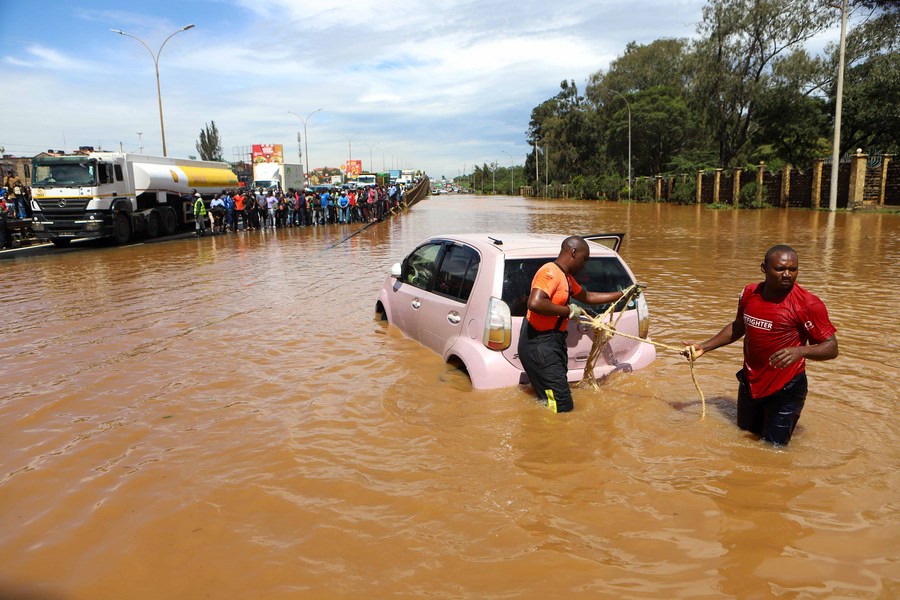
The floods, triggered by weeks of relentless heavy rainfall, have affected large parts of the country, including the capital, Nairobi, as well as regions in the Rift Valley and along the Tana River basin. Roads have been submerged, homes washed away, and critical infrastructure severely damaged.
According to government officials, the death toll has continued to rise, with dozens confirmed dead and many more missing. Emergency services have been stretched thin as rescue teams work around the clock to reach stranded communities, some of whom remain cut off by rising waters.
The Kenya Red Cross Society has been at the forefront of rescue and relief operations, deploying teams to evacuate residents, distribute food supplies, and provide temporary shelter. However, aid agencies warn that the scale of the disaster is overwhelming available resources.
“We are seeing entire families displaced overnight,” said a Red Cross official. “The situation is dire, especially in low-lying and informal settlements where drainage systems are inadequate.”
In Tana River County, one of the hardest-hit areas, swelling rivers have burst their banks, sweeping away farms and livestock. Residents in the region say they have lost their livelihoods, compounding an already fragile economic situation.
Schools have been closed in several counties due to safety concerns, while health officials warn of a potential outbreak of waterborne diseases such as cholera, as clean water sources become contaminated.
The Kenyan government has urged residents in high-risk areas to relocate to safer ground, but many remain reluctant or unable to leave due to lack of alternatives. Authorities have also called for international assistance to bolster relief efforts.
Climate experts link the severity of the floods to changing weather patterns associated with global warming, noting that East Africa has experienced increasingly erratic rainfall in recent years. The phenomenon has intensified seasonal rains, turning them into destructive deluges.
As floodwaters continue to rise in some regions, the focus is shifting from immediate rescue operations to long-term recovery and climate resilience. For thousands of affected families, however, the priority remains survival in the face of a deepening crisis.