

Fintech Wars, Real Gains: How Moniepoint, PalmPay, Kuda and O’Pay Are Transforming Nigerian Small Businesses
By Arit Olofu
Nigeria’s small businesses are no longer operating the way they did a decade ago—and much of that change is being driven by fintech competition.
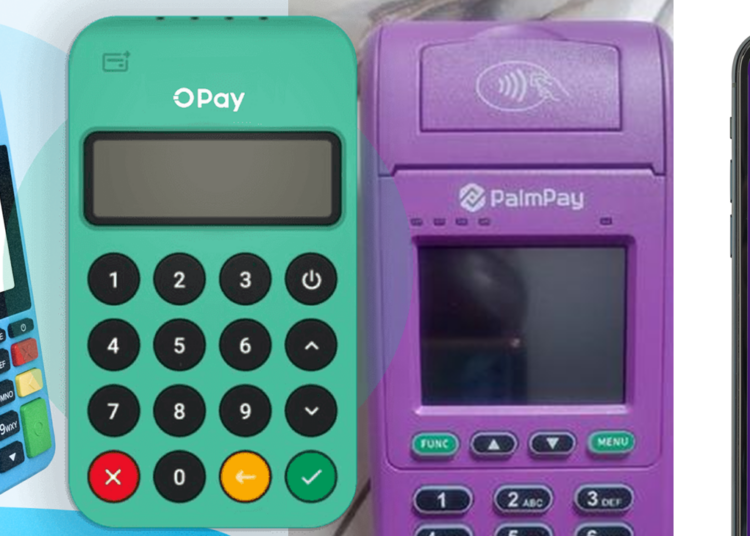
Companies like Moniepoint, PalmPay, Kuda, and OPay are not just offering alternatives to traditional banking; they are redefining how small businesses access, manage, and grow their money. As these platforms compete for market share, Nigeria’s micro, small, and medium enterprises (MSMEs) are emerging as the biggest winners.
For years, many small business owners faced barriers to basic banking—high fees, strict documentation, and limited branch access. Fintech changed that.
Today, entrepreneurs can open accounts in minutes from their phones, often with zero maintenance fees.
Kuda, for instance, built its appeal around a no-fee, mobile-first experience. The result? Thousands of small business owners who were once excluded from the financial system can now operate with the ease of a fully digital bank.
Financial Inclusion at Scale
Beyond convenience, fintech is bringing millions into the formal economy. Platforms like PalmPay and OPay have aggressively targeted informal traders and underserved communities, onboarding users at an unprecedented scale.
This shift matters. With access to transaction histories and secure savings, small businesses can now build financial identities—something that was nearly impossible in a cash-dominated system.
Better Business
Speed is everything in business, and fintech delivers. Instant transfers, seamless bill payments, and reliable POS systems have become everyday tools for Nigerian entrepreneurs.
Moniepoint stands out with its extensive agent and POS network, allowing even the smallest roadside vendors to accept digital payments.
The result is simple: fewer delays, less cash handling, and more efficient operations.
Competition has also sparked a price war—and small businesses are benefiting. Free transfers, cashback offers, and reduced transaction fees are now common across platforms.
For MSMEs operating on thin margins, these savings are not trivial. Every naira saved on fees is a naira that can be reinvested into stock, staffing, or expansion.
Access to credit has long been a challenge for small businesses, especially without collateral. Fintech companies are changing that by using data to assess creditworthiness and disburse loans quickly.
Moniepoint, among others, now offers short-term loans alongside tools like payroll and expense tracking. These aren’t just add-ons—they are growth enablers, helping entrepreneurs manage and scale their operations with greater confidence.
When traditional banking systems experience downtime, fintech apps often become the fallback.
Their reliability and user-friendly interfaces have earned the trust of millions who depend on daily transactions to survive.
For small business owners, this consistency is not a luxury—it’s essential.
Perhaps the biggest advantage of this fintech boom is the relentless innovation it fuels.
Each platform is constantly evolving to stay ahead:
* PalmPay leans into rewards and incentives
* Kuda champions zero-fee banking
* OPay prioritizes simplicity and accessibility
* Moniepoint focuses on business-first solutions
This competition ensures that users—especially small businesses—continue to enjoy better products, smarter tools, and improved experiences.
The Bottom Line
Fintech competition in Nigeria isn’t just about who wins market share—it’s about who delivers the most value. And right now, small businesses are reaping the rewards.
By improving access to finance, reducing costs, enabling seamless payments, and introducing smarter financial tools, Moniepoint, PalmPay, Kuda, and OPay are not just competing—they are collectively powering a new era of entrepreneurship in Nigeria.
As the race intensifies, one thing is clear: the future of Nigerian small businesses will be increasingly digital—and increasingly driven by fintech.