
United Nigeria Airlines, Safety and the Cost of Unreliability
By Orobosa Omo-Ojo
For thousands of Nigerian travellers, air travel is no longer a luxury but a necessity—tying together business schedules, medical appointments, family obligations and government duties across vast distances. Yet for a growing number of passengers, flying United Nigeria Airlines has become a gamble defined by uncertainty, delays and abrupt cancellations.
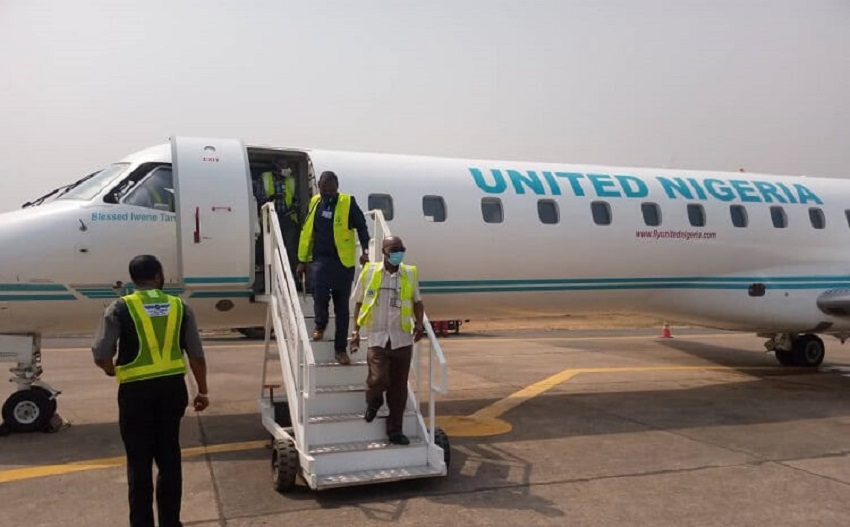
Across major routes such as Lagos–Abuja, Lagos–Owerri and Abuja–Enugu, complaints about United Nigeria Airlines’ unreliability have become persistent and familiar. Flights are frequently delayed for hours with little or no explanation. In some cases, passengers arrive at the airport on schedule only to be informed—often minutes before departure—that their flight has been cancelled or rescheduled to an entirely different time or day.
The pattern, according to regular flyers, is not an occasional operational hiccup but a recurring experience. Business travellers recount missed meetings and lost contracts. Families speak of spending unplanned nights at airports or paying extra for last-minute hotel accommodation. Medical patients describe the anxiety of postponed specialist appointments, while students complain of missed examinations and academic deadlines.
What angers many passengers most is not only the disruption, but the communication gap. Flight status updates are often unclear or late. Customer service desks are overwhelmed, with limited staff struggling to provide answers. Call centres, passengers say, are difficult to reach, while refunds or rebooking processes can stretch for weeks, leaving customers financially stranded.
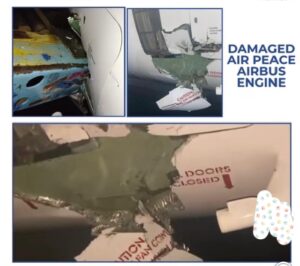
Industry observers point to operational constraints as a major factor. United Nigeria Airlines operates a relatively small fleet, leaving little room for backup aircraft when technical issues arise. In such circumstances, a single grounded aircraft can trigger a chain reaction of delays and cancellations across multiple routes in one day. While this challenge is not unique to the airline, critics argue that the frequency of disruptions suggests deeper planning and capacity issues.
Aviation experts note that reliability is the backbone of any airline’s credibility. Safety may be non-negotiable, but punctuality and transparency are what build passenger trust. When delays are unavoidable, timely communication, proper care for stranded passengers, and swift compensation or refunds are industry standards—standards many United Nigeria Airlines customers believe are not being met consistently.
The reputational damage is increasingly visible. Social media platforms are awash with real-time complaints, photos of overcrowded departure halls and stories of stranded without clear information. For an airline still positioning itself as a strong domestic competitor, such narratives pose a serious threat to long-term viability.
For Nigeria’s aviation sector, the issue goes beyond one airline. Persistent unreliability undermines public confidence in domestic air travel and places additional pressure on regulators to enforce consumer protection rules. Passengers are demanding more than apologies; they want predictability, accountability and respect for their time and money.
Until United Nigeria Airlines addresses its operational weaknesses and improves passenger engagement, its name will continue to feature prominently in conversations about delays and cancelled plans. In an industry where trust is earned flight by flight, unreliability remains a costly price to pay.