
2027: CJN Swears in 375 Election Tribunal Judges, Warns Against Political Intimidation
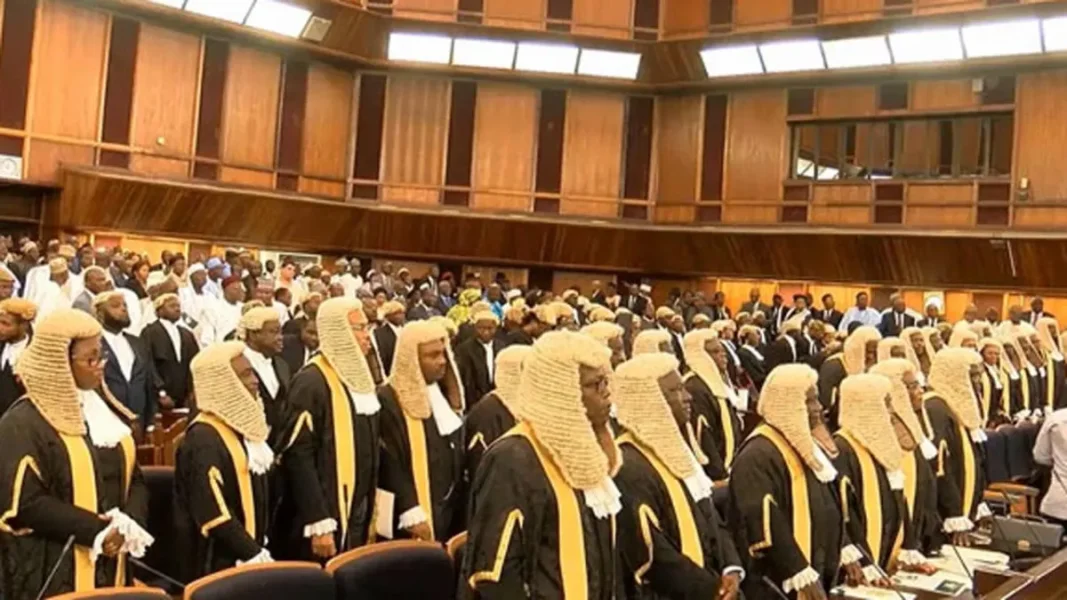
Election Tribunal Judges
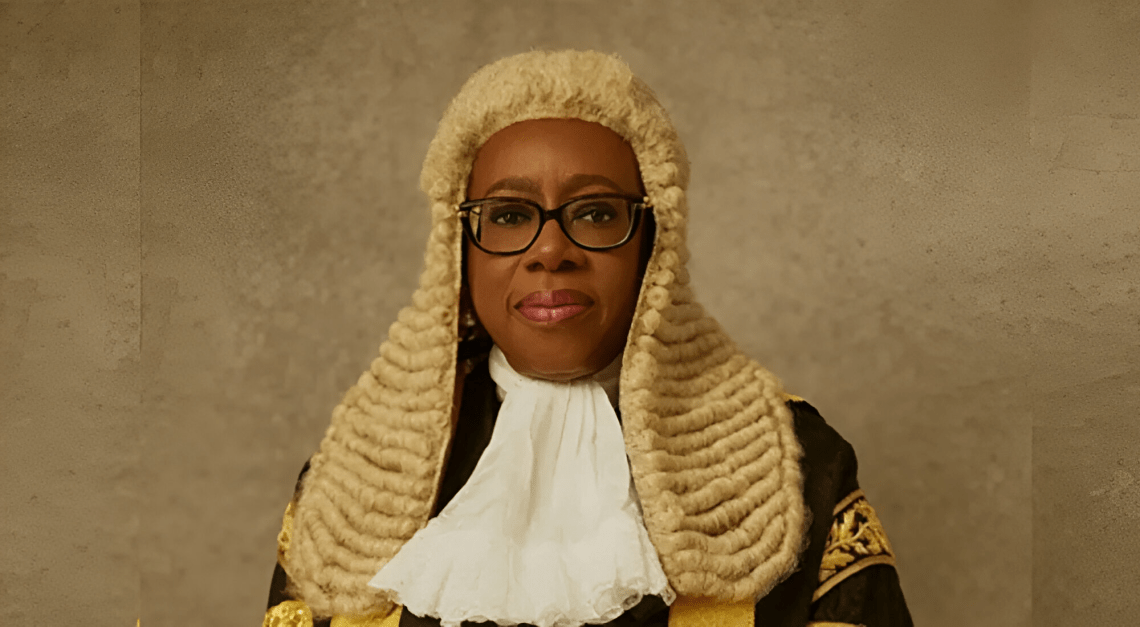
The Chief Justice of Nigeria (CJN), Justice Kudirat Kekere-Ekun, has sworn in 375 judicial officers appointed to serve on the 2027 Election Petition Tribunals, warning them against political pressure, intimidation and any attempt to compromise the independence of the judiciary.
Kekere-Ekun gave the warning on Monday during the swearing-in ceremony and a capacity-building workshop organised by the Court of Appeal ahead of the 2027 general elections.
She charged the judges to remain impartial, courageous and guided by their judicial oath, irrespective of public expectations, political interests or pressure from influential individuals and groups.
The CJN also cautioned politicians, public officials, lawyers, citizens and media organisations against actions capable of undermining the integrity of election adjudication, particularly through misinformation, unverified allegations and attempts to influence proceedings pending before the courts.
She warned that public pronouncements on the merits of pending cases and attempts to prejudge judicial decisions could create unnecessary tension and erode public confidence in the administration of justice.
Kekere-Ekun specifically highlighted the growing influence of social media, noting that its speed and wide reach could amplify misleading narratives about election disputes and expose judicial officers to undue pressure.
According to her, online campaigns directed at judges and selective accounts of court proceedings could distort public understanding and create the impression that electoral disputes were determined by public sentiment rather than evidence and the law.
While acknowledging citizens’ constitutional right to freedom of expression and participation in democratic discourse, she urged the public and media organisations to exercise responsibility when commenting on matters before the courts.
The CJN, however, stressed that constructive criticism of judicial decisions remained a legitimate feature of democracy, provided it was informed and responsibly expressed.
She equally warned lawyers against filing multiple suits and pursuing conflicting court orders in election-related disputes, particularly through the abuse of ex parte applications to secure tactical advantages.
Such practices, she said, could bring the administration of justice into disrepute and undermine the credibility of the electoral dispute resolution process.
Kekere-Ekun further cautioned tribunal judges against sacrificing the constitutional right to fair hearing in their efforts to deliver speedy judgments.
She emphasised that although election petitions were time-sensitive and required strict adherence to constitutional and statutory deadlines, the urgency of such cases must never become an excuse for denying any party a fair hearing.
The CJN urged judicial officers to strike a careful balance between expedition and fairness, ensuring that every party was given adequate opportunity to present its case.
She also called on legal practitioners to approach election litigation with professionalism, integrity and candour, reminding them that their responsibilities extended beyond protecting their clients’ interests to upholding professional ethics and respecting the administration of justice.
“The duty of a legal practitioner is not merely to advance the interests of a client, but to do so within the bounds of professional ethics and respect for the administration of justice,” she said.
She maintained that election adjudication demanded patience, courage, even-handedness and restraint, given the intense public scrutiny and far-reaching implications of tribunal decisions.
The CJN added that credible elections and peaceful resolution of electoral disputes required the collective responsibility of electoral management bodies, political parties, security agencies, legal practitioners and the judiciary.
Also speaking, the Attorney-General of the Federation and Minister of Justice, Mr Lateef Fagbemi, SAN, said the manner in which electoral disputes were adjudicated often determined whether political contests ended peacefully within the framework of the Constitution or degenerated into uncertainty and discord.
Fagbemi stressed that the effectiveness of the Election Petition Tribunals depended not only on the competence of their judicial members but also on the efficiency of their registries and the quality of administrative support available to them.
He warned against treating the appointment of tribunal registrars as routine administrative postings, insisting that only individuals with the requisite experience, competence and administrative capacity should be assigned to the responsibility.
According to him, inexperienced or inadequately equipped registrars could undermine the smooth and timely conduct of proceedings, regardless of the competence of the judges presiding over the tribunals.
The Attorney-General urged the judicial officers to be guided by the Constitution, the Electoral Act and established principles of justice, stressing the importance of sound legal reasoning and decisions firmly supported by available evidence.
He noted that the Electoral Act 2026 introduced reforms designed to strengthen electoral transparency, promote internal party democracy, modernise electoral administration and redefine the framework for resolving electoral disputes.
However, he observed that the effectiveness of the reforms would depend largely on their enforcement by the Independent National Electoral Commission (INEC), compliance by political parties and proper judicial interpretation.
The three-day workshop, organised under the theme, “Election Tribunal as a Tool for Political Stability,” also featured the formal presentation of the second edition of the Judicial Electoral Manual by the CJN.
The manual is designed to provide judicial officers with updated constitutional provisions, electoral legislation, practice directions and relevant judicial decisions to guide the effective and consistent determination of election petitions ahead of the 2027 general elections.