
2025 Eyo Festival: Lagos Doesn’t Merely Grow Forward…It walks with its Past, Every Step of The Way
By Editor
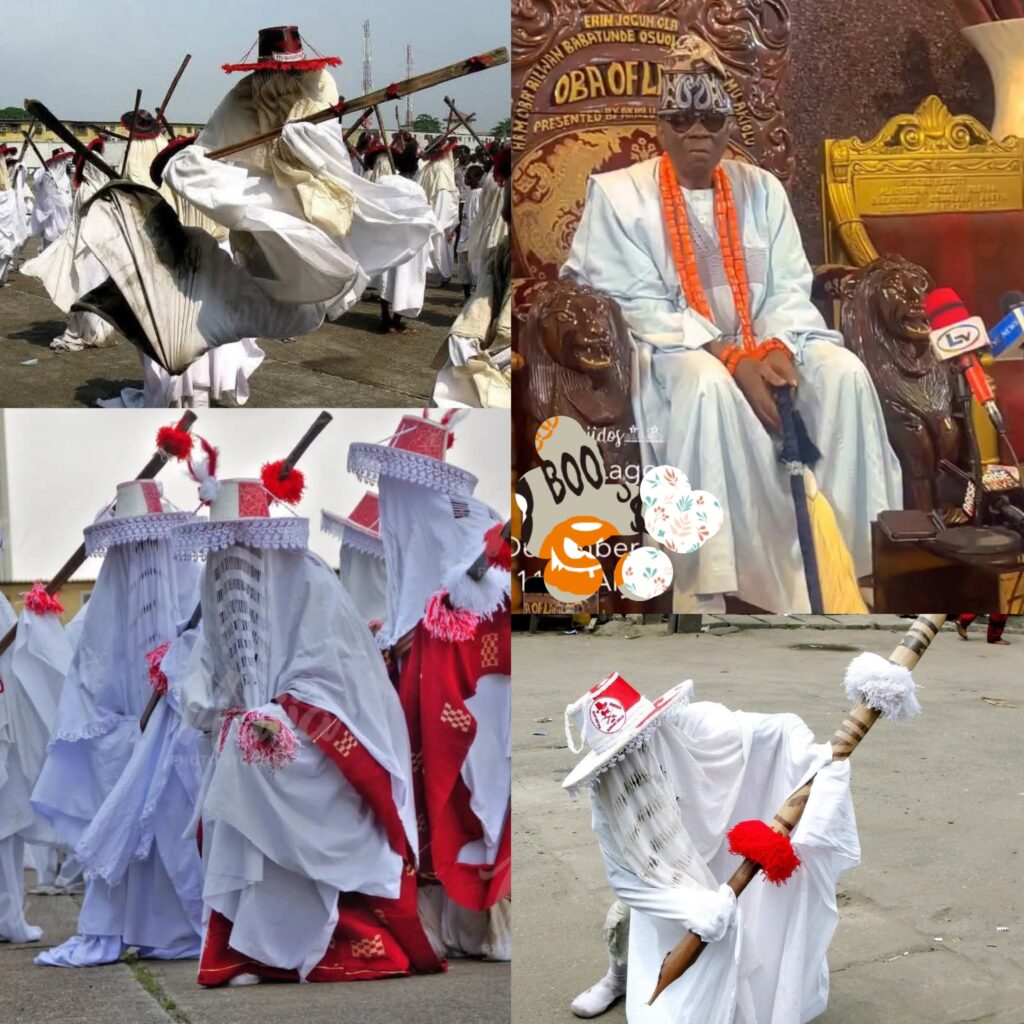
The skies over Lagos shimmered with festive anticipation on the morning of December 27, 2025, as the historic Adamu Orisha Play — the iconic Eyo Festival — returned to life after an eight-year hiatus. The streets of Lagos Island pulsed with rhythm and colour, a tapestry of Yoruba heritage revived in glorious procession.
Amid the sea of white-robed masqueraders and cheering crowds, an especially proud moment unfolded at Tafawa Balewa Square: the presence of President Bola Ahmed Tinubu, clad in the festival’s traditional white attire, a damask sash across his chest and the ceremonial opambata in hand, symbolised both cultural reverence and national unity.
Just days earlier, the festival had been formally ushered in with the Ijade Opa Eyo procession — a homage ritual where the sacred staff of authority was handed over to the Lagos State Governor, Babajide Sanwo-Olu, by the Olori Eyo and traditional custodians. This symbolic exchange marked the commencement of ceremonies that would culminate in the festival’s grand finale. President Tinubu, joined by First Lady Senator Oluremi Tinubu, had personally received organisers at his Lagos residence, reinforcing the event’s cultural and personal significance.
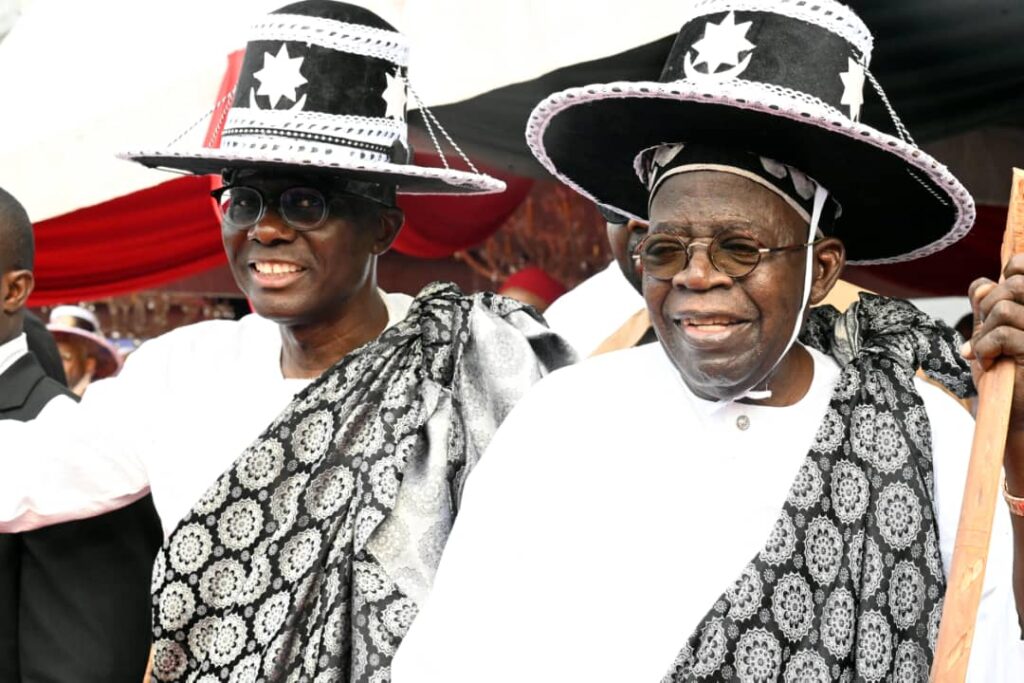
By the time the finale arrived, the atmosphere was electric. Governor Sanwo-Olu — beaming with pride — welcomed not only Lagosians but national and international dignitaries, including Imo State Governor Hope Uzodimma, senior federal officials, and members of the diplomatic corps. He described the occasion as not just a celebration of tradition, but a historic homecoming for the President, whose deep roots in Lagos were being honoured through this living legacy.
The 2025 edition distinguished itself by honouring four towering figures from Lagos’s past: Brigadier-General Mobolaji Johnson, the state’s first military administrator; Alhaji Lateef Kayode Jakande, its first civilian governor; former governor Sir Michael Otedola; and Alhaja Abibat Mogaji, former Iyaloja-General and mother of President Tinubu. Their legacies were celebrated amid chants, drumming, and the hypnotic sway of Eyo masqueraders — a poignant reminder that the city’s cultural memory thrives through performance and collective remembrance.
In his remarks, President Tinubu described the festival as “a great rekindling of our culture” and emphasised that such traditions hold immense tourism potential for Nigeria, particularly as the celebrations coincided with the busy Detty December period, when thousands of visitors return home or travel to Lagos. He urged revelers to celebrate peacefully, honouring both the spirit of unity and the safety of all participants.
As dusk settled and the final parade wound its way through the jubilant crowds, Lagos once again stood testament to the endurance of its heritage. What began centuries ago as a sacred rite of passage had transformed into a vibrant celebration affirming identity, history, and the promise of cultural resurgence in the 21st century.